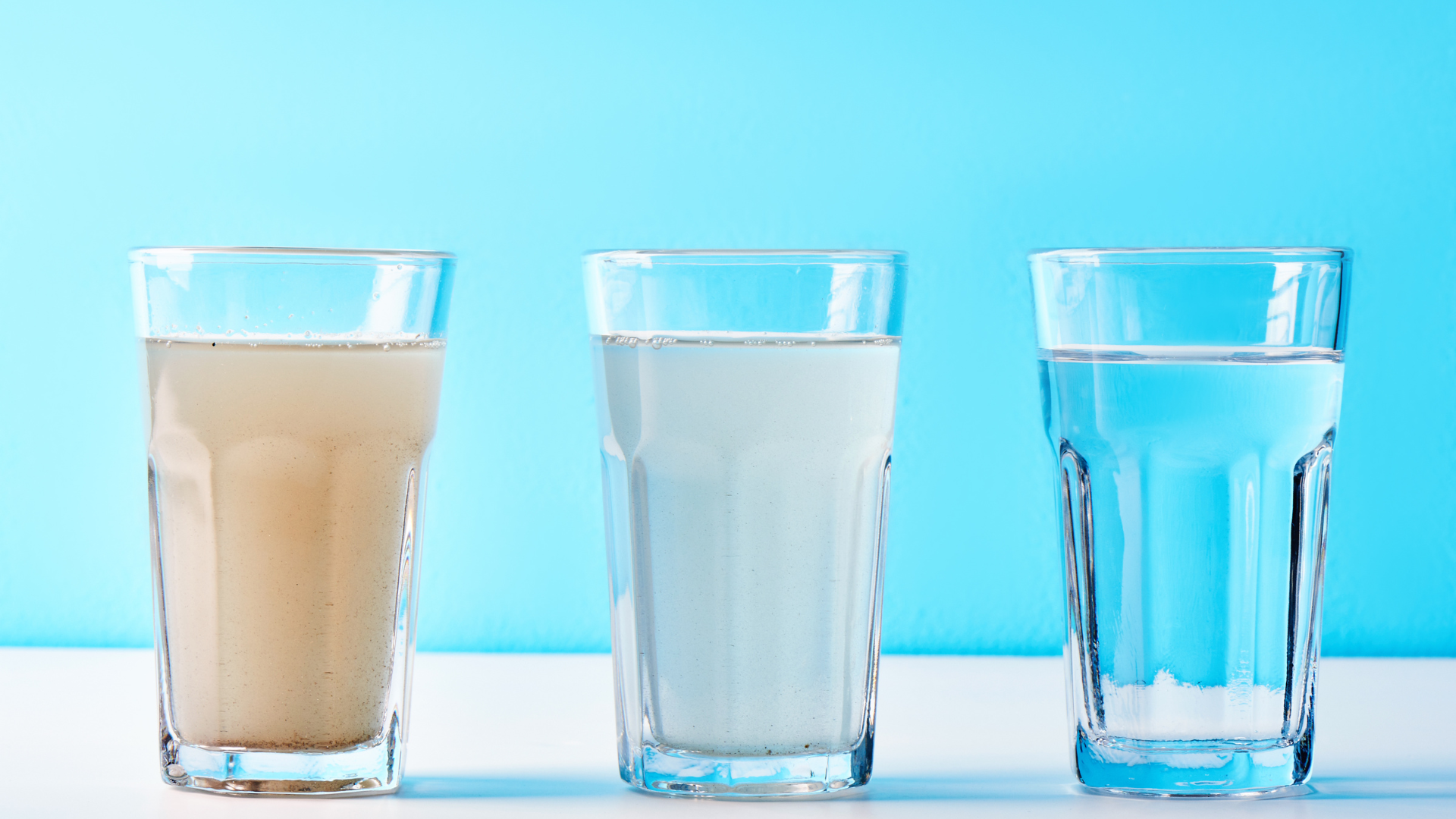
Water Filters vs. Water Purifiers: Understanding the Key Differences
Clarifying the Confusion in Water Treatment
In the quest for clean, safe drinking water, consumers are often faced with a confusing array of terminology: Water Filters and Water Purifiers. While these terms are often used interchangeably, they represent fundamentally different approaches to water treatment, particularly when considering the unique challenges of South African water quality.
Choosing the right system – whether for your kitchen tap, office water cooler, or under-sink unit – requires understanding the core difference between filtration and purification. This authoritative guide will break down the technical distinctions, the contaminants each system targets, and help you determine which water purification system is the most effective and practical choice for your home or business in 2026.
The Fundamental Distinction: Water Filters vs. Water Purifiers
The difference between a water filter and a water purifier lies in the size and type of contaminants they are designed to remove.
Water Filters: The Physical Barrier
A water filter works primarily by using a physical barrier or a chemical process (like adsorption) to reduce or remove impurities.
-
Mechanism: Filtration typically involves passing water through a porous material, such as activated carbon, ceramic, or a fine mesh. This process physically strains out larger particles like sediment, rust, and dirt.
-
Contaminants Targeted: Filters are highly effective at removing contaminants that affect the water’s aesthetics:
-
Taste and Odour: Chlorine and organic compounds.
-
Sediment: Rust, silt, and dirt.
-
Chemicals: Some filters (especially activated carbon) can reduce certain heavy metals and pesticides.
-
-
Limitation: Filters are generally not designed to remove or inactivate microscopic pathogens, such as bacteria and viruses, which are too small to be physically strained. Micron water filters (such as 1-micron or 5-micron filters) are primarily designed to remove particulate matter like sediment, rust, dirt, and some microorganisms based on their size. However, they do not remove soluble contaminants because those are dissolved in water at the molecular or ionic level, which is far smaller than the pore size of these filters.
Water Purifiers: The Pathogen Eliminator
A water purifier takes the process a step further by actively killing or inactivating all types of living microorganisms, including the smallest bacteria and viruses.
-
Mechanism: Purification uses a secondary process to eliminate pathogens. The most common methods are:
-
Ultraviolet (UV) Light: Uses UV-C radiation to scramble the DNA of bacteria and viruses, rendering them unable to reproduce and cause illness.
-
Reverse Osmosis (RO): While primarily a filter, RO is often classified as a purification method due to its ability to remove virtually all dissolved solids, including bacteria and viruses, through an extremely fine membrane.
-
Chemical Treatment: Using iodine or chlorine (less common for home use).
-
KDF: KDF media in your water filter uses advanced redox technology to neutralise chlorine, heavy metals, and bacteria, delivering cleaner, safer, and better-tasting water while increasing cartridge longevity.
-
-
Contaminants Targeted: Purifiers target everything a filter does, plus:
-
Microorganisms: Bacteria (e.g., E. coli), Viruses (e.g., Rotavirus), and Protozoa (e.g., Giardia).
-
Key Technologies in Water Purification Systems
Modern water purification systems often combine multiple technologies to achieve the highest level of water quality. For kitchen and office use, the following combinations are most relevant:
| Technology | Primary Function | Contaminants Removed | Filter or Purifier? |
| Activated Carbon | Adsorption (Chemical) | Chlorine, bad taste/odour, organic chemicals, some heavy metals. | Filter |
| Reverse Osmosis (RO) | Physical/Membrane | Dissolved solids (TDS), heavy metals, nitrates, bacteria, and viruses. | Purifier (Highly Effective Filter) |
| Ultraviolet (UV) | Inactivation (Light) | Bacteria, Viruses, Protozoa (Microorganisms). | Purifier |
| Ceramic/Mechanical | Physical Straining | Sediment, rust, larger protozoa. | Filter |
| KDF | Redox Reaction | Chlorine, heavy metals, bacteria. | Purifier (Chemical) |
The Importance of Purification in South Africa
While municipal tap water in major South African urban areas is generally considered safe, infrastructure failures, pipe bursts, and localised contamination events are common. Reports of unsafe drinking water in various provinces highlight the need for a system that can reliably eliminate microbiological threats. For this reason, a system that includes a purification step (like UV or RO) offers a crucial layer of protection against potential health risks.
Choosing the Right System for Your Needs
The best water purification system depends on your water source and your primary concern.
Scenario 1: Improving Taste and Odour (Filter Only)
If you are confident in your municipal water quality but simply want to remove the taste of chlorine and improve clarity, a simple Activated Carbon Filter is sufficient. These are commonly found in jug filters and basic tap-mounted units.
Scenario 2: Comprehensive Safety and Purity (Purifier)
If your concern is comprehensive safety – removing chemical contaminants, heavy metals, and eliminating microbiological threats, a Water Purifier is necessary.
-
UV Purifiers: Excellent for killing pathogens. Often paired with a carbon filter to improve taste and remove sediment. This is a popular choice for water coolers and point-of-use systems.
-
Reverse Osmosis (RO): It removes the widest range of contaminants, including dissolved solids (TDS), which can be high in some South African regions.
-
KDF, GAC and Micron Combination: The gold standard for drinking water. This multi-stage approach combines KDF for chemical reduction, Granular Activated Carbon (GAC) for taste and odour, and micron filtration for particulates, offering comprehensive protection.
The Hydrolife Advantage: Smart, Safe, and Sustainable
Hydrolife specialises in providing smart, sustainable, and highly effective water purification systems for the modern South African home and office. Our focus is on practical, point-of-use solutions that guarantee safety.
Why Hydrolife is the Smart Choice for Your Water Purification System:
-
Focus on Rental and Service: Hydrolife offers flexible water cooler rental options, which include all maintenance and filter changes. This eliminates the high upfront cost and hassle of ownership, ensuring your system is always running at peak performance.
-
UV Purification Technology: Our water coolers and point-of-use systems incorporate advanced UV purification technology, providing a guaranteed kill rate for bacteria and viruses, a critical feature for peace of mind in the South African context.
-
Certified Filtration: All Hydrolife systems use multi-stage filtration, including high-grade activated carbon, to ensure exceptional taste and clarity, complementing the UV purification process.
By choosing Hydrolife, you are not just getting a product; you are investing in a fully serviced solution that delivers purified, great-tasting water every day.
FICA Compliant?
As a responsible provider, Hydrolife ensures all its services and rental agreements are FICA compliant, providing you with transparent and legally sound transactions. This commitment to regulatory adherence underscores our dedication to trust and professionalism in all our dealings.
Securing Your Water Standard
Navigating South Africa’s modern water landscape requires a definitive shift from simple aesthetic improvement to absolute health protection. While standard water filters are excellent for clarifying tap water and neutralizing basic chlorine taste, they leave a critical vulnerability gap when localized infrastructure failures occur. True peace of mind demands robust water purification—utilizing advanced technologies like Reverse Osmosis or Ultraviolet light to actively neutralize microscopic pathogens, bacteria, and viruses before they ever reach your glass.
Investing in a dedicated purification system ensures an uncompromised barrier against contaminants, but the hardware is only effective if properly maintained. By opting for a fully managed rental solution through a specialist like Hydrolife, you eliminate the high upfront costs and the ongoing hassle of tracking filter lifespans. Instead, you secure a continuous supply of pristine, certified drinking water backed by professional, hands-off servicing that guarantees your home or office remains safe and sustainable through 2026 and beyond.
Frequently Asked Questions
How does a water filter physically block impurities?
A water filter passes water through a porous material like activated carbon, ceramic, or a fine mesh. This material acts as a physical strainer to trap particulate matter like rust and silt, while the chemical process of adsorption reduces organic compounds that cause foul tastes and odours.
Why are standard micron water filters unable to remove dissolved chemicals or soluble contaminants?
Standard 1-micron or 5-micron mechanical filters are designed to capture solid particulate matter based purely on physical size. Soluble contaminants are dissolved in the water at a molecular or ionic level, meaning they are far too small to be caught by the physical pores of these filters.
What secondary processes do water purifiers use to eliminate pathogens?
Water purifiers rely on specialized technologies to destroy or remove living microorganisms. The most common methods include Ultraviolet (UV-C) light to scramble pathogen DNA, Kinetic Degradation Fluxion (KDF) redox technology to neutralize contaminants, and ultra-fine Reverse Osmosis membranes.
Is Reverse Osmosis classified as a filter or a purifier?
Although Reverse Osmosis relies on a physical membrane, its ultra-fine pore structure allows it to remove virtually all dissolved solids, heavy metals, bacteria, and viruses. Because it successfully eliminates microscopic biological threats, it is widely classified as a purification method.
How does Ultraviolet (UV) technology purify drinking water?
UV purification units expose the incoming water stream to targeted UV-C radiation. This light destroys the genetic material of bacteria, viruses, and protozoa, rendering them completely unable to reproduce or cause illness without adding any chemicals to your water.
Why is a full purification system particularly recommended for South African households?
Although major urban municipal water is treated, localized infrastructure challenges, pipe bursts, and treatment failures frequently lead to unexpected contamination events. Integrating a true purification stage provides a necessary safety net against sudden microbiological risks.
How does KDF media contribute to a water purification system?
Kinetic Degradation Fluxion (KDF) media uses an advanced oxidation-reduction process to chemically neutralize chlorine and control heavy metals. It also creates a bacteriostatic environment that kills bacteria and prevents microbial growth inside the filter housing, which extends the operational lifespan of accompanying carbon cartridges.