Why Does My Tap Water Taste Bad? Common Causes and Filtration Solutions
If your tap water tasting bad has become part of daily life, you are not alone. Many South African households notice water that tastes chlorinated, metallic, earthy, dusty or simply stale, particularly after municipal maintenance, seasonal rainfall, pipe repairs or long periods of water standing in household plumbing. Bad taste does not always mean the water is unsafe, but it is a clear sign that the water reaching your glass is being affected by chemistry, minerals, sediment, disinfectant, ageing pipes or filter maintenance.
Hydrolife helps Cape Town homes and businesses solve these everyday water-quality frustrations with practical, correctly matched filtration solutions. The company has supplied and serviced water filtration systems since 1999, and its approach is especially relevant for taste problems because Hydrolife does not position filtration as a one-size-fits-all purchase. Instead, it emphasises matching the correct technology to the client’s specific water needs.
Why bad-tasting tap water should not be ignored
Taste is often the first thing people notice, but it is not a reliable safety test. The CDC notes that taste, smell and appearance are not always good indicators of water safety because harmful germs or chemicals may not change water’s look, taste or smell. This means a glass of clear water can still need testing in certain circumstances, while water with an unpleasant chlorine smell may simply be affected by normal disinfection.
For most households, the practical question is not only “is my water safe?” but also “is it enjoyable enough to drink every day?” If the answer is no, families tend to buy bottled water, avoid drinking enough water, or use kettle and fridge appliances that quickly build up scale or odours. A properly selected filter can improve drinking-water taste, protect appliances and make hydration easier without the recurring cost and plastic waste of bottled water.
Common causes of bad-tasting tap water
Bad taste can come from the municipal supply, local pipework, household plumbing, storage tanks or an old filter cartridge. Identifying the likely taste profile helps narrow down the solution.
| Taste or smell | Common cause | Typical filtration response |
| Chlorine or swimming-pool taste | Municipal disinfection residual | Activated carbon or GAC/KDF filtration |
| Metallic taste | Iron, copper, zinc, old pipes or plumbing corrosion | Sediment pre-filtration, specialist media or testing-led treatment |
| Earthy or musty taste | Organic compounds, algae-related compounds or stagnant water | Activated carbon and proper maintenance |
| Gritty or dusty taste | Sediment, rust or suspended particles | Sediment filter before taste-and-odour filtration |
| Stale taste | Water standing in pipes, tanks or unused filters | Flushing, filter replacement and system servicing |
| Bitter or chemical taste | Possible dissolved chemicals or unsuitable filter media | Water testing and correctly specified treatment |
Chlorine and disinfectant taste
A chlorinated taste is one of the most common complaints about municipal tap water. Chlorine is used because disinfectants help control harmful microorganisms in distribution systems. However, even when it is doing an important job, residual chlorine can give water a sharp swimming-pool taste or smell. Long-term exposure to chlorine in drinking water has been linked to increased cancer and asthma risks.
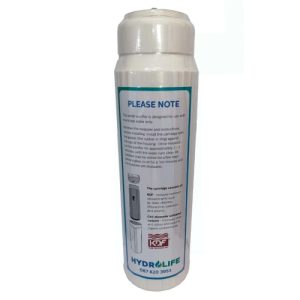
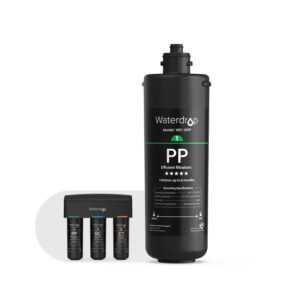
For drinking and cooking water, activated carbon along with KDF is often the most practical solution. NSF explains that NSF/ANSI 42 applies to aesthetic impurities such as chlorine and taste or odour reduction. Hydrolife’s filtration range includes GAC/KDF based solutions, and its inline cartridge replacement for the Hydrolife DC2F is described as targeting chlorine, unpleasant taste and odour, sediment, rust and heavy metals.
Metallic water taste
Metallic water can be linked to iron, copper, zinc, ageing plumbing or corrosion inside pipes. It may be more noticeable first thing in the morning when water has been standing in the plumbing overnight. If the taste improves after running the tap for a short time, internal pipework could be contributing to the problem.
A metallic taste should be treated more carefully than a simple chlorine taste because it can point to minerals or metals that need proper diagnosis. Hydrolife’s consultative approach is valuable here. Instead of guessing, the best next step is to identify whether the issue is mainly sediment, plumbing-related metal, dissolved metals or a combination. A sediment filter may help where rust particles are present, while specialist media, carbon, KDF or reverse osmosis may be appropriate depending on the result.
Earthy, musty or stale taste
An earthy or musty flavour often becomes more noticeable after seasonal changes, heavy rain, storage-tank issues or long periods without regular use. Organic compounds can affect taste and odour even when water looks clear. NDSU Extension explains that activated carbon can remove organic compounds that affect taste, odour and colour, while also reducing chlorine and certain other compounds.
Stale water may also be a maintenance issue. If a filter has not been replaced on schedule, trapped material can reduce performance and affect taste. The CDC advises that any filter must be maintained properly and changed according to the manufacturer’s recommendations. Hydrolife offers cartridge replacements and services water purifiers, coolers and boilers, including systems and brands it does not stock, which makes it a strong choice for diagnosing stale-tasting filtered water.
The filtration solutions that improve water taste
The right solution depends on the taste problem. A simple countertop or fridge filter may help in some homes, but many households get better results from an under-sink, inline or multi-stage system fitted to the water they actually drink and cook with.
Activated carbon for chlorine, odour and organic taste
Activated carbon is the workhorse of taste-and-odour filtration. It improves water by adsorbing compounds onto the surface and pores of carbon media. NDSU notes that activated-carbon filters remove organics that affect taste, odour and colour and reduce chlorine, while the CDC identifies activated carbon and NSF Standard 42 filters as options for improving taste and smell.
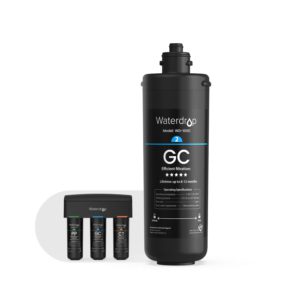
For Hydrolife customers, this matters because carbon filtration directly addresses the most common reasons households dislike tap water. Hydrolife’s carbon replacement products and GAC/KDF cartridge options are designed for practical household filtration, and the Hydrolife GAC/KDF cartridge combines granular activated carbon with KDF media for chlorine and heavy-metal reduction support.
Sediment filters for grit, rust and cloudiness
Carbon is excellent for many taste and odour issues, but it is not the best first line of defence for grit or rust. NDSU explains that activated carbon does not remove sediment particularly well and that a sediment filter installed before activated carbon can extend the life of the carbon filter by preventing clogging.
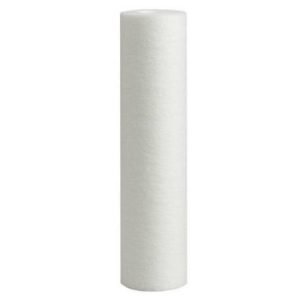
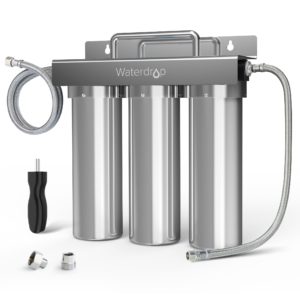
This is why a multi-stage solution often works better than a single filter. If your water contains visible particles, a sediment stage can capture larger material before the water reaches the carbon stage. Hydrolife offers sediment cartridges and replacement options that can be integrated into under-sink and multi-stage filtration systems.
KDF and specialist media for more complex taste problems
Some homes need more than basic carbon. KDF media is commonly used in combination with carbon to support reduction of chlorine and certain metals and to help control growth inside the filter cartridge. Hydrolife’s GAC/KDF cartridge is positioned for chlorine and heavy metals, and it uses an 80/20 blend of granular activated carbon and KDF media.
Where water tastes metallic, bitter or chemically unusual, a specialist assessment is important. The CDC recommends testing water to identify harmful germs or chemicals and then choosing a filter that targets the specific concern. This is where Hydrolife’s experience becomes more than a convenience. A properly specified system can prevent customers from wasting money on a filter that improves one issue while leaving the real cause unresolved.
Reverse osmosis for broader dissolved-contaminant reduction
Reverse osmosis is often recommended when a household wants broader dissolved-solids and contaminant reduction. CDC guidance notes that reverse osmosis filters can remove germs and some chemicals, while NSF/ANSI 58 applies to reverse osmosis systems. However, reverse osmosis is not always necessary for a simple chlorine taste, and it may require more maintenance and water-use consideration than a carbon drinking-water filter.
Hydrolife’s strength is helping customers decide when reverse osmosis is appropriate and when a more straightforward filter will solve the problem. This is important because the best water filter is not the most complicated option; it is the one correctly matched to the water problem, usage volume and maintenance plan.
When should you replace a water filter?
A bad taste that returns after months of good filtered water is often a sign that the cartridge has reached the end of its service life. Filters collect contaminants and particles as water passes through them, so performance can decline when the media is exhausted, clogged or overdue for replacement.
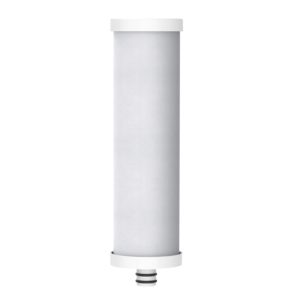
Hydrolife’s inline cartridge replacement for the Hydrolife DC2F is described as having a filtration capacity of up to 25,000 litres, with an easy push-to-connect replacement design and Cape Town installation available. Capacity varies by water quality and usage, so customers should not wait until taste becomes unpleasant. A planned replacement schedule protects taste, flow rate and system performance.
| Warning sign | What it may mean | Recommended action |
| Chlorine taste returns | Carbon media is exhausted | Replace cartridge or service the system |
| Flow rate drops | Sediment or cartridge clogging | Check sediment stage and filter age |
| Water tastes stale | Old filter, stagnant line or low use | Flush system and replace cartridge if due |
| Particles appear | Sediment stage absent or saturated | Add or replace sediment filtration |
| New metallic taste appears | Plumbing or supply change | Arrange testing or professional assessment |
Why Hydrolife is the practical choice for better-tasting water
Hydrolife is well suited to this problem because the company combines product supply, installation support and ongoing servicing. That matters because taste problems are rarely solved by buying the first generic filter on a shelf. A household with chlorine taste may need activated carbon; a home with particles needs sediment filtration; a kitchen that already has a purifier may simply need a cartridge replacement; and a property with recurring metallic taste may need a more detailed assessment.
Hydrolife has been operating since 1999 and states that tens of thousands of Capetonians have trusted it with their pure water needs. The company also services water purifiers, water coolers and boilers, including brands it does not stock, which gives customers a practical route to restoring performance without replacing an entire system prematurely.
Most importantly, Hydrolife’s stated philosophy aligns with responsible filtration advice: no single plug-and-play system beats every other option in every situation. For customers asking why their tap water tastes bad, that honesty is exactly what they need. The goal is not to oversell; it is to install or service the system that genuinely improves taste, suits the water supply and can be maintained properly.
Practical steps to take before choosing a filter
If your tap water suddenly tastes bad, start by comparing cold water from different taps. If only one tap is affected, the issue may be local to that fixture or pipe. If the whole property is affected, it may relate to the supply line, municipal maintenance, storage or filtration system. Run the tap briefly, clean aerators and note whether the taste is chlorine-like, metallic, earthy, gritty or stale.
If the water has a severe chemical taste, unusual colour, persistent odour, illness concerns or a sudden unexplained change, arrange testing or professional advice before relying on taste alone. If the issue is mainly everyday chlorine, odour or stale filtered water, Hydrolife can help you choose a drinking-water filter, replace an old cartridge or service the system you already own.
Conclusion: bad-tasting water can usually be improved
Bad-tasting tap water is frustrating, but it is often fixable with the right filtration and maintenance plan. Chlorine taste, metallic notes, sediment, stale filters and organic odours each point to different causes, which is why a properly matched solution performs better than a generic purchase.
For South African homes and businesses, Hydrolife offers a practical route to better-tasting water through quality filtration products, cartridge replacements, servicing and advice grounded in decades of local experience. If your tap water tastes bad, Hydrolife can help identify the likely cause and recommend a filtration solution that makes drinking water fresher, cleaner-tasting and easier to enjoy every day.
Frequently Asked Questions
Why does tap water sometimes develop a metallic flavor?
A metallic flavor typically originates from dissolved metals such as iron, copper, or zinc leaching from corroded plumbing pipes or ageing municipal lines. This taste is often prominent first thing in the morning when water stands motionless in household pipes overnight. Sediment pre-filtration combined with targeted media filters effectively removes dissolved particulate metals.
What factors contribute to an earthy or musty tap water taste?
An earthy or musty taste in tap water usually stems from naturally occurring organic compounds, algal seasonal blooms in raw water reservoirs, or stagnant water standing inside plumbing. These organic compounds affect taste even when water appears clear. Activated carbon filtration media efficiently adsorbs organic compounds, neutralizing earthy odors and refreshing tap water
What causes a gritty or dusty texture in drinking water?
Gritty or dusty drinking water is caused by tiny physical particles like silt, sand, rust flakes, and pipe debris suspended in the municipal water supply. These particles enter plumbing during pipe maintenance, local main bursts, or infrastructure decay. Installing a dedicated sediment filter catches these physical particles, protecting plumbing and improving texture.
Why does water taste stale after standing in filter housings?
Water tastes stale when left standing undisturbed inside storage tanks, domestic plumbing, or unmaintained filter housings for prolonged periods. Stagnant water absorbs ambient odors and allows trapped organic material to degrade. Flushing unused taps for several seconds and replacing overdue filter cartridges on schedule restores freshness and maintains active carbon adsorption capability.
How does GAC/KDF filtration technology resolve off-tastes?
Granular Activated Carbon combined with Kinetic Degradation Fluxion media provides dual-action taste treatment. The KDF copper-zinc alloy uses electrochemical reactions to neutralize chlorine and heavy metals, while granular carbon adsorbs organic compounds and volatile chemicals. This combined media approach targets complex taste problems, suppresses internal bacterial growth, and preserves beneficial minerals.
What standard governs aesthetic water filter performance?
NSF/ANSI Standard 42 specifically governs water treatment equipment performance regarding aesthetic impurities. Systems certified under this standard are independently evaluated for their verified ability to reduce chlorine, taste, odor, and particulate matter. Choosing standard-certified filtration equipment ensures that consumer drinking water consistently meets strict aesthetic quality and performance benchmarks across residential and commercial applications.
What benefits does the DC2F inline replacement cartridge offer for taste issues?
The DC2F inline replacement cartridge features push-to-connect fittings designed for quick, tool-free maintenance. It directly addresses chlorine off-tastes, offensive odors, rust flakes, fine sediment, and heavy metals. Capable of filtering high volumes up to 25,000 litres, this cartridge maintains high flow rates while delivering clean, pristine drinking water for household and commercial users.