Under-Sink or Countertop Water Filter: Which Suits Your South African Kitchen?
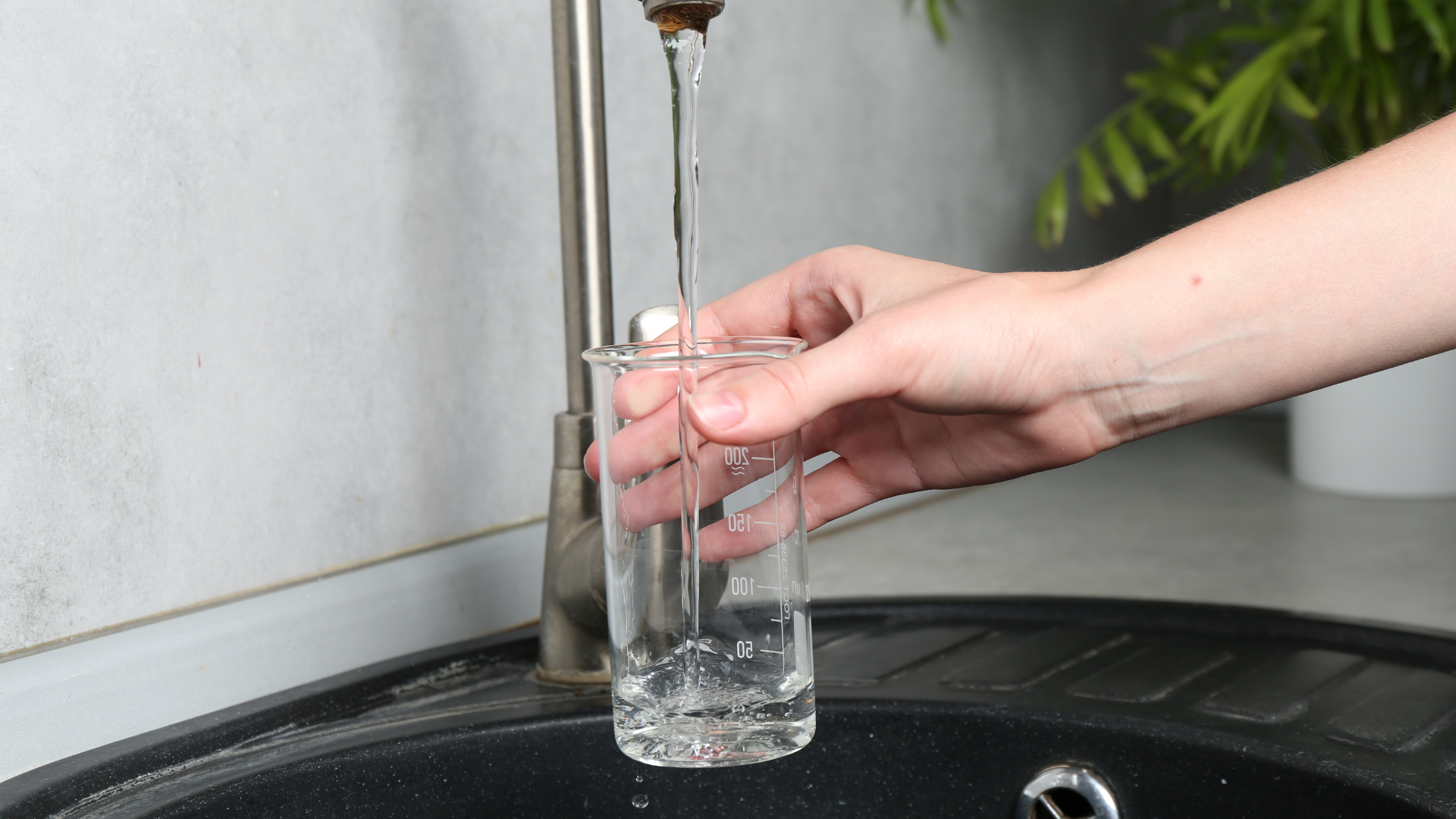
Choosing a water filter for a South African kitchen is less about finding a universally superior design and more about matching a system to the way a household uses water. An under-sink water filter keeps most equipment out of sight and can provide treated water through a dedicated tap. A countertop model is generally more visible but may be easier to install, inspect and move. The better option depends on available space, plumbing, water-use habits, filtration objectives and the maintenance routine a customer is prepared to follow.
Both formats can be useful when correctly specified and maintained. A product label alone cannot establish suitability, so consider the incoming water, desired point of use, household size and manufacturer’s requirements. A practical starting point is to review Hydrolife’s water-filter range before assessing the differences below.
What Is an Under-Sink Water Filter?
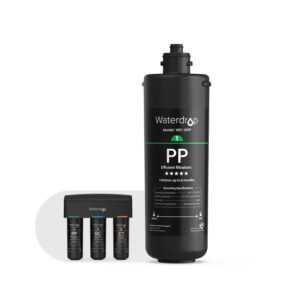
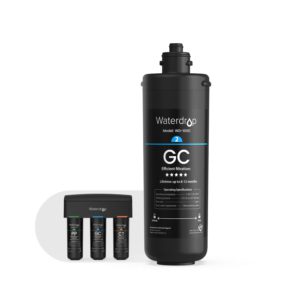
An under-sink water filter is installed inside the cupboard beneath a kitchen sink. In many designs, water passes through one or more cartridges before reaching a separate drinking-water tap mounted on the sink or worktop. Some systems connect to the existing cold-water line, while others require additional fittings, a shut-off valve or a compatible dedicated faucet. The exact arrangement depends on the selected system and the kitchen’s plumbing.
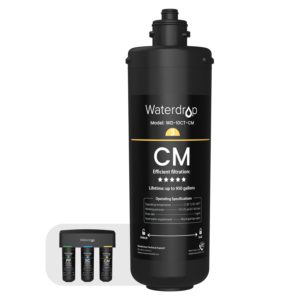
Its main attraction is that the working parts are concealed. The worktop remains clear, and treated water is available from a convenient dedicated tap without manually filling a reservoir. Cupboard space is still needed, however, and the installation area must remain accessible. A cramped cupboard, nearby chemicals, poor drainage or unsuitable pipework may affect suitability. Cartridge size, replacement intervals and treatment methods vary, so assess the complete installation rather than the category alone.
What Is a Countertop Water Filter?
A countertop water filter sits on the worktop, usually near the sink. Depending on the design, it may connect to the end of a tap through a diverter, draw water into a reservoir, or combine a connection with internal storage. Filtered water may be dispensed from the unit or returned through a separate outlet. Installation method, capacity and connection requirements depend on the chosen product.
Countertop systems are often considered where a customer wants a less permanent arrangement. Their visible position makes them easier to monitor, clean and access when cartridges need attention. In a home where cupboard plumbing is unsuitable, or where drilling a worktop is not desirable, that can be useful. A countertop model may also suit tenants or people who expect to move within a relatively short period.
The trade-off is worktop space and, for some designs, regular refilling. Its footprint can affect preparation, cupboard access and sink use. A diverter may require a compatible tap and adequate clearance. Selection still depends on the water source, intended use and manufacturer’s specifications.
Space, Appearance and Everyday Kitchen Use
Space is one of the clearest differences between the formats. An under-sink system uses storage space that might otherwise hold bins, detergents or cookware, but it leaves the worktop open. This discreet appearance can matter in a compact kitchen or in a home where appliances already compete for preparation space. That said, Hydrolife’s modern inline undercounter systems take up less than half the cupboard space of the older reverse osmosis systems.
The dedicated tap is usually the only visible sign that treatment equipment is installed. In fact, some of the high-end systems that filter at a rapid rate don’t even require a separate dedicated tap, leaving the appearance of the kitchen completely unchanged
A countertop filter becomes part of the visible kitchen layout. That may be preferable when easy access matters more than a concealed finish. Frequent movement can be inconvenient when a hose, diverter or power connection is attached, and the unit should be protected from knocks, heat and splashing.
Everyday use often matters more than appearance. A family filling several bottles and cooking with filtered water may prefer an under-sink arrangement, while a single occupant mainly wanting drinking water may find a countertop unit adequate. Consider who will use and maintain it before deciding.
Installation and the Importance of Plumbing Compatibility
An under-sink filter may involve connecting to a cold-water feed, installing a dedicated faucet and checking that the cupboard provides enough room for housings and tubing. The sink, tap, pipework and water pressure all need to be compatible with the selected system. Incorrect connections can cause leaks, restricted flow or an arrangement that is difficult to service.
Countertop units may appear simpler, but they are not automatically suitable for every tap. Some diverters fit only particular outlets, while pull-out, mixer or non-standard taps may require another approach. Reservoir models avoid some plumbing work but introduce a filling routine and require the unit to sit close to the water source. Electrical models, where applicable, also need a safe and suitable power connection.
Ask what work is included, whether tap or plumbing changes are needed and who tests the connection. Suitability depends on the selected system and customer requirements; photographs and advertised dimensions are not enough.
Filtration Goals and Water-Quality Considerations
“Water filter” covers different technologies and outcomes. One system may target taste and odour, while another addresses particular particles or uses several stages. Performance depends on construction, rated conditions, cartridge life, incoming water and correct installation. No model should be assumed to remove every substance or suit every source.
Start by identifying the water entering the system. Municipal supply, borehole water, rainwater and water stored in tanks can present different considerations. Visible sediment, noticeable taste, scale, intermittent supply or an uncertain source may influence the assessment required. If contamination is a concern, a filter should not be treated as a substitute for appropriate testing or advice from a qualified water professional.
The desired point of use matters. If only drinking and cooking water needs treatment, a point-of-use filter may be practical; several outlets require closer consideration of capacity and installation. The home water-filter guide can help frame these questions without presenting one format as suitable for every household.
Flow Rate, Convenience and Refilling Habits
Flow rate describes how quickly water passes through a system under specified conditions. Read the stated figure alongside pressure, cartridge condition and delivery method, especially if the household fills large pots or bottles.
An under-sink filter connected to a dedicated tap usually provides water on demand, subject to its rated flow and capacity. This reduces the need to plan ahead or keep a full reservoir available. It can be particularly convenient for several users, although high consumption may mean cartridges need replacement sooner than they would in a smaller household.
Countertop systems vary considerably. A reservoir can offer a ready supply after filling, but someone must remember to refill it and keep it clean. A direct tap connection may reduce refilling but can limit where the appliance sits. Consider busy periods such as morning preparation, school bottles, cooking and entertaining. The most suitable format is often the one that fits these habits with the least friction, rather than the one with the most features.
Maintenance, Cartridge Changes and Long-Term Care
Every system requires care. Cartridge life depends on usage, incoming water and manufacturer guidance, so do not wait for taste or flow to change before planning replacement. Establish which parts are replaceable and how servicing will be handled.
Under-sink equipment is protected from knocks, but its concealed position can hide problems. Check periodically for dampness, loose connections or a housing needing attention, and keep enough room for inspection and isolation. The dedicated tap also needs ordinary cleaning.
Countertop units are easier to monitor, but reservoirs, outlets and external surfaces need regular cleaning. Do not leave water standing beyond the recommended period, and follow the manufacturer’s procedure after extended non-use. Customers who prefer assistance with servicing or troubleshooting can review Hydrolife’s maintenance and repair services, with the scope depending on the selected system and customer requirements.
How to Compare Systems Without Guesswork
A useful comparison records purchase or rental cost, installation charges, included fittings, cartridge prices, replacement schedules and service fees. Note capacity, flow information, warranty terms, space requirements and whether a dedicated tap is included. Compare the full cost, not just the headline price. Ownership may suit someone remaining in the property and managing cartridge changes; rental or service arrangements may provide ongoing support. Confirm maintenance coverage, fault procedures and total cost over the agreement period. If moving, establish responsibilities for removal, relocation, damage and cancellation.
Match technical details to the routine. Estimate users, cooking needs and whether demand is occasional or continuous. Check incoming water conditions and ask whether testing, pre-filtration or additional treatment is recommended. A capable system that is inconvenient to maintain may not be practical.
Finally, ask for important details in writing. The provider should explain installation requirements, maintenance responsibilities, exclusions and the process for obtaining support. Be cautious of broad claims that do not specify the relevant water conditions or test basis. A transparent comparison should make clear what the system is designed to do, what it is not designed to do and which assumptions affect the recommendation.
Choosing the Right Water Filter for Your Kitchen
An under-sink water filter is often worth considering when a household values a clear worktop and on-demand access, provided the cupboard and plumbing are compatible. A countertop filter may be more suitable when easy installation, visibility and portability are priorities, or when the customer does not want a permanent change to the kitchen. These are practical tendencies, not universal rules.
The final decision should bring together water source, filtration goals, available space, expected consumption, installation requirements and maintenance capacity. Consider who will refill a countertop reservoir, who will check an under-sink cupboard and how replacement cartridges will be obtained. Also consider whether the arrangement remains useful if the household moves, changes its water-use pattern or adds more users.
There is no single best water filter for every South African kitchen. The right choice is a properly specified system that fits the property and can be maintained consistently. For advice about available options, installation questions or service terms, customers can contact Hydrolife and discuss their particular requirements before deciding.
Frequently Asked Questions
How does activated carbon filtration improve drinking water quality?
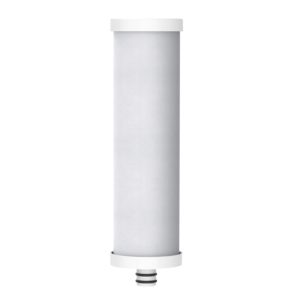
Activated carbon media utilises microscopic porous surfaces to adsorb chlorine, volatile organic compounds, synthetic chemicals, and offensive odours. As raw water flows across the carbon matrix, chemical molecules bind tightly to the internal surface areas. This physical process significantly enhances taste, reduces chemical contaminants, and ensures clean, fresh drinking water without altering essential mineral levels.
What is the function of sediment pre-filters in multi-stage systems?
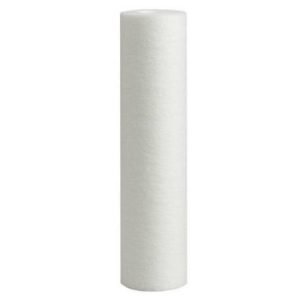
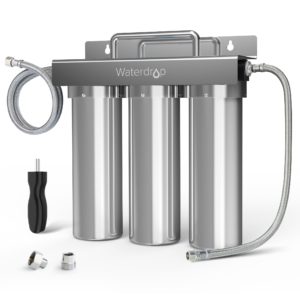
Sediment pre-filters act as the initial physical barrier in a multi-stage filtration assembly. They capture suspended particles such as rust flakes, sand, silt, and pipe debris down to specific micron ratings. Preventing coarse matter from entering secondary treatment stages protects sensitive carbon blocks, prevents clogging, preserves system water pressure, and extends overall component longevity.
How do KDF media alloys enhance standard carbon filtration?
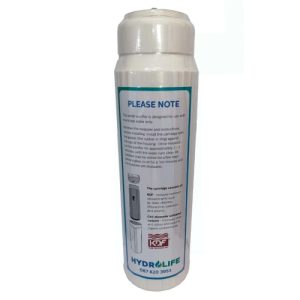
Kinetic Degradation Fluxion media utilizes high-purity copper and zinc alloys to initiate oxidation-reduction chemical reactions. This media effectively neutralizes dissolved chlorine, reduces soluble heavy metals, and inhibits bacterial proliferation within the filter housing. Integrating this alloy with granular activated carbon creates a robust purification mechanism that extends service life and delivers consistently safe output.
What role does point-of-use filtration play in commercial environments?
Point-of-use filtration systems connect directly to existing municipal water lines at specific operational stations. These units process incoming water on demand, removing residual disinfectants, fine sediment, and metallic off-tastes right where consumption occurs. This localized approach guarantees continuous high-quality water for staff kitchens, cafeterias, beverage preparation equipment, and dedicated drinking stations across facility layouts.
Why should water filtration systems maintain natural mineral levels?
Essential minerals like calcium and magnesium contribute positively to drinking water taste, balance alkalinity, and support basic physiological health. High-performance filtration systems target unwanted contaminants, heavy metals, and chemical disinfectants without stripping away these beneficial dissolved minerals. Retaining natural mineral content prevents water from tasting flat or acidic, ensuring a pleasant, balanced hydration experience.
What operational signs indicate a filtration system requires maintenance?
Key indicators that a system requires maintenance include a noticeable decrease in water flow rate, unexplained changes in taste or odor, and visible cloudiness. Reduced pressure typically signals clogged sediment stages, while returning chemical tastes suggest carbon media saturation. Following scheduled replacement cycles prevents operational downtime and maintains optimal water quality standards consistently.
How does proper filtration protect commercial kitchen appliances?
Unfiltered water contains suspended particulates and dissolved minerals that cause abrasive wear and mineral scaling in commercial equipment. Filtration systems catch rust, dirt, and micro-particles before water reaches boilers, ice makers, and coffee machines. Clean water reduces mechanical strain, minimizes thermal heating element failure, lowers service frequency, and maintains peak operational efficiency.