What’s that taste in Cape Town’s tap water?
Cape Town tap water can taste unsettling. City of Cape Town reporting has shown that an earthy flavour may arise from naturally occurring geosmin after hot weather; in March 2025, the City said powdered activated carbon was used to reduce that taste and odour.
If you have noticed a different taste in your glass of water lately, you are not alone in asking what has changed. A Cape Town tap water taste may be sharper and chlorine-like, earthy or simply stale, and it can make an otherwise ordinary glass of water far less enjoyable. At Hydrolife, we know that taste concerns deserve a practical answer – not a guess, and not an alarmist one.
The important point is that a change in taste does not automatically mean a change in safety. Taste and smell are not reliable tests for every potential water-quality issue, and an unusual flavour can have more than one cause. The right response starts by considering the local water context, your own plumbing and whether the issue is best solved with a simple drinking-water filter, professional maintenance or further testing.
What can change the taste of Cape Town tap water?
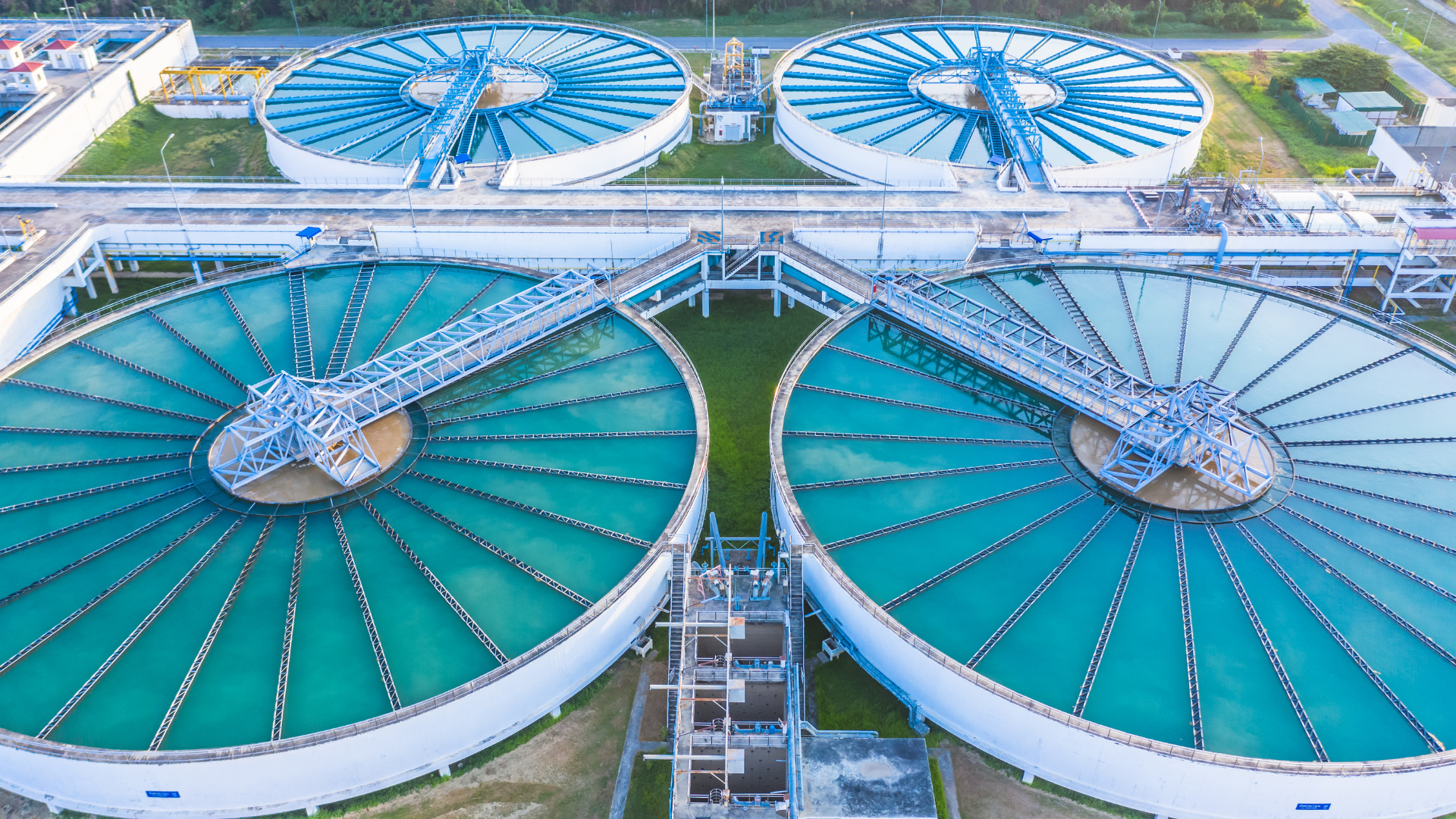
Cape Town’s water comes from several sources and moves through treatment works, reservoirs and a large distribution network before it reaches a home or business. The City reports that it tests water from raw-water sources, after treatment, in reservoirs and at designated points in the pipe network. It analyses more than 5,700 samples each year and publishes quality information against SANS 241:2015.
That monitoring matters because water’s taste is influenced by more than one factor. A change may relate to seasonal source-water conditions, disinfectant residual, household plumbing, a storage tank, an ageing cartridge or water standing in pipes. The experience at one tap does not necessarily describe the supply across the city.
Earthy or musty notes: the March 2025 geosmin event
A useful local example came in March 2025, when the City advised that some residents were noticing an earthy flavour and smell. The City attributed the change to geosmin, a naturally occurring organic compound, after hot weather. It said the issue affected water supplied from the Faure and Blackheath Water Treatment Plants, particularly in central and southern areas, and that its teams dosed powdered activated carbon to reduce the effect on taste and odour.
Geosmin can be detected by the human palate at very low concentrations. That helps explain why a noticeable earthy taste can be upsetting even when the underlying water-quality report does not point to a drinking-water safety problem. In that particular advisory, the City stated that the water remained compliant with SANS 241:2015.
This is also why it is important not to assume that every earthy taste means “extra chlorine” or a microbiological issue. The March 2025 notice did not describe the event in those terms. It identified geosmin and described the use of powdered activated carbon as the treatment response.
Chlorine or swimming-pool taste
A chlorine-like taste is different from an earthy geosmin flavour. Chlorine is a disinfectant used in water treatment to control germs, and a residual level helps maintain that protection as water travels through pipes. Depending on the source water, treatment process and conditions in the distribution system, some people may notice the taste or smell more readily than others.
The City’s January to March 2026 quarterly drinking-water report listed free-chlorine results from 0.7 to 1.3 mg/L across the reported supply areas, against the report’s SANS 241 specification of no more than 5 mg/L. That does not tell us what a particular household will taste on a given day, but it does show why a taste concern should be interpreted alongside the City’s published monitoring rather than through assumptions alone.
A chlorine note can be unpleasant, but it does not automatically mean the water has been over-treated or that it is unsuitable for drinking. If the flavour is persistent, unusually strong or accompanied by a change in colour, particles or supply conditions, check the City’s latest notices and consider whether your building’s plumbing, tank or filter could be contributing.
Stale, metallic or unusual flavours at one property
If a flavour is most noticeable at one tap, first thing in the morning or only after water has been standing, the cause may be closer to home. Water that sits in household pipework can take on a stale taste. An old cartridge can stop improving the taste it was chosen for. Rust, sediment, corrosion or a poorly maintained storage tank can also change the drinking experience.
That is why we do not recommend selecting a filter solely from a taste description. “Chemical”, “metallic” and “musty” are useful starting points, but they are not laboratory results. The same flavour can have different causes in different properties.
Does a taste change mean the water is unsafe?
Not necessarily. The City’s 2025 geosmin advisory is a good example of a taste-and-odour change that it reported as remaining compliant with the national drinking-water standard. At the same time, a pleasant taste, clear appearance or lack of odour cannot by itself confirm that water is free from every concern. The US Centers for Disease Control and Prevention similarly advises that taste, smell and appearance are not always good indicators of water safety.
The practical approach is proportionate. For a municipal supply, start with the latest water-quality information and any local notice. For a property that uses a borehole, rainwater collection or a private supply, regular water testing is particularly important because the water is not managed in the same way as a municipal system.
If you are worried about a sudden or ongoing change, ask focused questions. Is the taste occurring at every tap or one fixture? Has it appeared after a plumbing repair, a period of non-use or a filter change? Is the water also discoloured or cloudy? Has the City issued a relevant notice? These details help identify whether you need to investigate the supply, your plumbing or your treatment equipment.
How can I improve the taste of Cape Town tap water?
For many homes and workplaces, the aim is not to replace the municipal water supply. It is to make the water used for drinking and cooking more enjoyable, while choosing technology that suits the actual issue. When a Cape Town tap water taste is the main concern, we begin by identifying whether the likely cause is related to chlorine, sediment, household plumbing, an overdue cartridge or something that needs further investigation.
Activated carbon for chlorine taste and odour
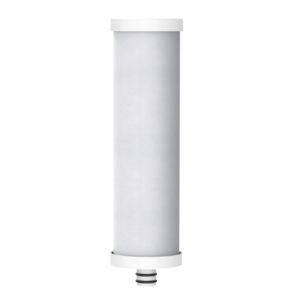
Activated carbon is widely used in point-of-use drinking-water filters because it can improve taste and odour. CDC guidance identifies activated carbon and filters certified to NSF Standard 42 as options for improving taste and smell, and notes that a product label should state the specific substances or qualities it is certified to address.
If chlorine taste is the main concern, a correctly specified carbon-based drinking-water filter can be a practical option. The key word is correctly specified. We look at where you want the water filtered, how much water you use, the state of the existing plumbing and how the system will be maintained. A system chosen for taste and odour is not automatically the right system for sediment, microbial concerns, dissolved chemicals or another unrelated issue.
Sediment protection and multi-stage filtration
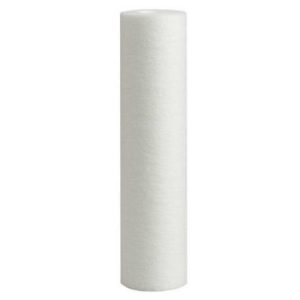
Where grit, rust or visible particles are part of the problem, a sediment stage may need to come before taste-and-odour media. This protects downstream filters and helps keep the system performing as intended. A multi-stage approach can be useful, but it should be designed around the water issue rather than added simply because more stages sound better.
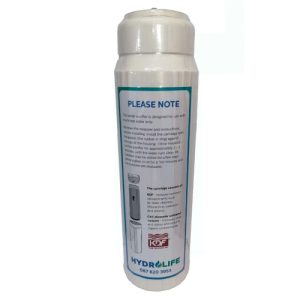
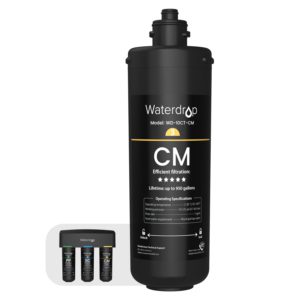
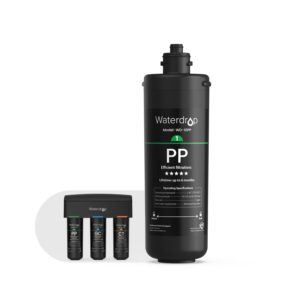
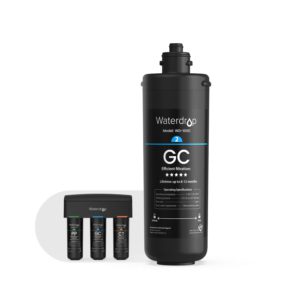
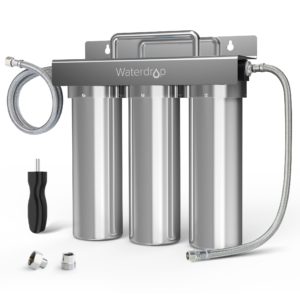
At Hydrolife, we supply countertop and under-sink options, along with cartridges for ongoing maintenance. We can help you assess whether your priority is taste, sediment, a particular water-quality concern or a combination of factors, then match the filtration setup accordingly. Our approach is to select the right filtration setup for the problem rather than simply add more treatment stages.
Maintenance is part of the solution
A filter is not a fit-and-forget product. CDC guidance stresses that filters need regular maintenance and replacement in line with the manufacturer’s instructions. If a cartridge is past its working life, it may not provide the expected taste improvement. In some circumstances, poor maintenance can also create a new issue instead of solving the original one.
We provide filter changes, backwashing and maintenance support for water-treatment systems, as well as servicing for water purifiers, coolers and boilers. If your filtered water has started tasting stale, the cartridge, system condition and water source all deserve consideration.
A simple checklist before choosing a filter
Use these questions to move from a vague taste complaint to a better solution:
- Is the taste earthy, chlorine-like, metallic, stale or associated with visible sediment?
- Is it present at every tap, or only at the kitchen tap, a fridge line or one part of the building?
- Has the City issued a current notice for your area, and what do the latest published reports show?
- Does the issue appear after water has been standing, after plumbing work or when a filter cartridge is overdue for replacement?
- Do you need to improve water used only for drinking and cooking, or is a broader system assessment necessary?
- Does the proposed filter have a clear, relevant performance claim and a practical replacement plan?
This checklist helps avoid two common mistakes: treating every taste issue as a safety emergency, or buying a generic filter that does not address the real reason the water tastes different.
When should you seek further help?
Contact the relevant water authority promptly if a change in taste is accompanied by official alerts, a suspected supply interruption, discolouration, a significant odour, particles or a change that affects several nearby properties. The City’s water-quality information and current notices should be the starting point for a municipal-supply concern.
For an issue that appears confined to your property, we can help you examine the practical filtration and maintenance side. This may involve checking an existing unit, replacing the correct cartridge, arranging a service or discussing water assessment and testing where the cause is unclear. We do not use a one-size-fits-all answer because Cape Town tap water taste can be shaped by the supply, the property and the equipment already in place.
Enjoy water that tastes as good as it should
A different taste in Cape Town tap water can be frustrating, but it does not need to remain a daily irritation. A persistent Cape Town tap water taste is best addressed with the City’s published reports and notices as useful local context, including the March 2025 geosmin event and ongoing water-quality monitoring. Your own plumbing and filtration system complete the picture.
At Hydrolife, we help homes and businesses choose a practical solution for the water they actually use. Contact us to discuss an unpleasant taste, an overdue filter change or a new drinking-water filter. We will help you identify the likely cause, select a suitable system and keep it maintained so every glass is more enjoyable.