Water Filter for Fridge: Do You Really Need One?
A water filter for fridge use can be a worthwhile part of a home water setup, but it is not automatically necessary for every refrigerator or every household. The answer depends on the appliance, water line, treatment goal and replacement routine.
If your fridge dispenses drinking water or makes ice from a connected supply, filtration can improve the experience when the correct filter is fitted and maintained. If the appliance has no water dispenser or ice maker, there is no refrigerator water line to filter. In that case, a kitchen-tap, countertop or under-sink solution may be the more relevant place to focus.
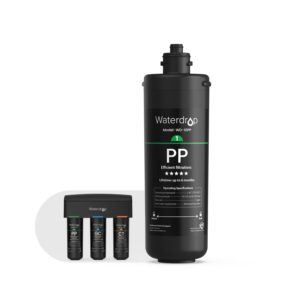
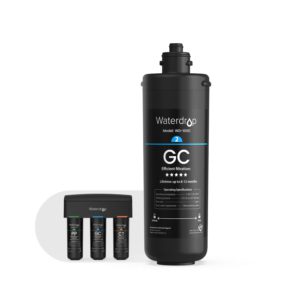
We supply both model-specific refrigerator cartridges and a direct-connect inline option for compatible fridges and ice makers. The most useful starting point is not “which filter is best?” It is “what does my appliance need, and what is my water concern?”
When does a water filter for fridge make sense?
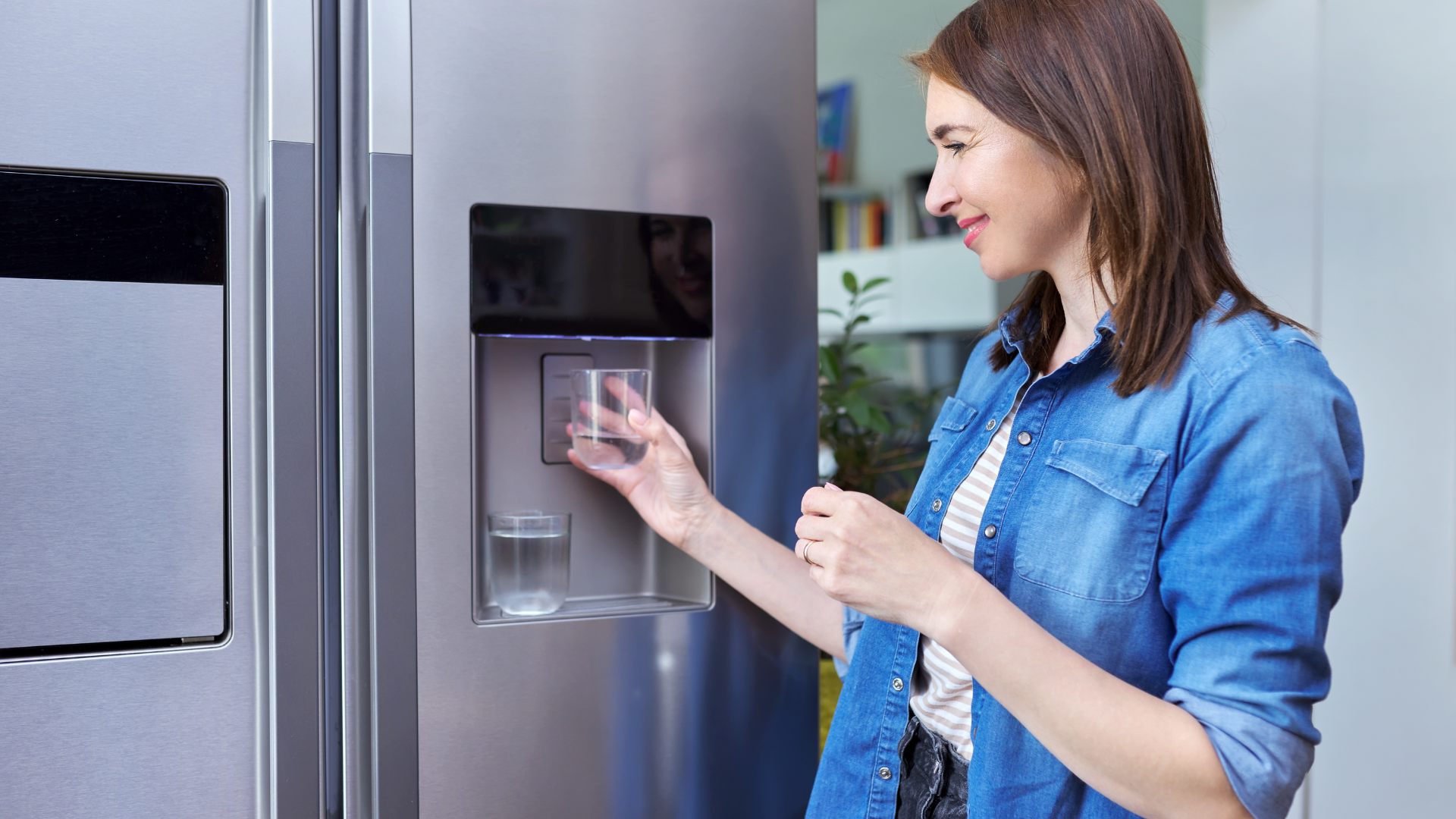
A fridge filter makes sense when your household regularly drinks from the refrigerator dispenser, uses its ice maker or both. Water and ice pass through the appliance, so a correctly matched filter can be a practical point-of-use stage before they reach a glass, jug or ice tray.
A filter may be especially useful when the aim is to improve taste or odour, reduce sediment entering the appliance, or deal with a particular concern that the chosen unit is designed to address. The important phrase is “designed to address”. Not all filters reduce the same substances. NSF advises consumers to identify the water-quality concern first, then check the product’s stated contaminant-reduction claim and applicable certification information.
That is why a fridge filter should never be chosen only because it is cheap, readily available or looks similar to the one currently installed. The media, capacity, connection and appliance fit all matter. A filter can be a very good solution for a defined point of use, but it is not a universal answer to every possible water-quality question.
Start with the appliance, not the cartridge
The most common mistake is to assume that refrigerator filters are interchangeable. They are not. Internal filters can vary by brand and model, while an external inline filter must suit the appliance’s water line and installation arrangement.
Before you buy, find the refrigerator model number and check the existing cartridge number if your fridge already has one. Samsung’s guidance makes the same point: different models use different filters, so the model number and the intended replacement must be checked before installation.
For example, we supply a Samsung DA29-00003G replacement cartridge that is described as compatible with most Samsung fridges and has a maximum recommended lifespan of six months. That does not mean it fits every Samsung refrigerator. “Most” is not a substitute for a model check. If the part number, connection or filter housing is wrong, a cartridge may not seal correctly or may not fit at all.
Photograph the existing filter label and refrigerator model sticker before ordering. If you are unsure, contact us with those details. This can prevent an incorrect purchase or leak.
Choose between an internal replacement filter and an inline system
There are two common routes for a fridge that uses a water line.
The first is an appliance-specific internal replacement cartridge. This is the usual route where the refrigerator has a dedicated filter housing inside the appliance or at its base. A water filter for fridge use in this position must match the refrigerator’s specified filter type.
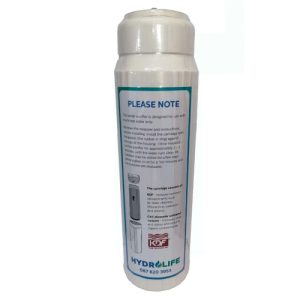
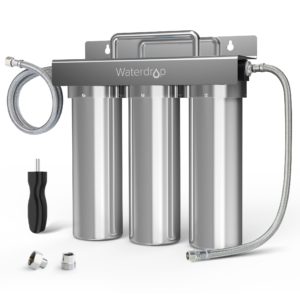
The second is an external inline system. This is fitted to the water line that supplies the refrigerator or ice maker, where the appliance and plumbing arrangement are compatible. Our Hydrolife DC2F-S inline system is designed for direct connection to fridges, ice makers, water coolers and ice machines. It uses a five-stage GAC/KDF filtration approach with 0.5 μm filter pads, and we list an expected capacity of up to 25,000 litres.
A water filter for fridge selection should be based on the arrangement already in place. Do not add an inline system simply because it appears more substantial, and do not assume an internal cartridge will serve a fridge that was designed for external filtration. The correct approach is the one that fits the appliance, the water line and the filtration objective.
What should the filter actually do?
A sensible decision begins with a clear objective. If chlorine taste or an odour in dispenser water and ice is the concern, look for a filter whose stated performance covers that purpose. If you can see sediment, rust or particles, the filtration approach should account for that too. For a specific contaminant concern, check the water source or arrange appropriate testing before choosing treatment.
Our inline DC2F-S system is intended to reduce common tap-water contaminants, and its GAC/KDF media and 0.5 μm pads are specified for applications that include fridge and ice-maker lines. The DC2F replacement cartridge is made specifically for that system and is listed with a capacity of up to 25,000 litres.
The capacity figure is useful for maintenance planning, but it is not a promise that every home will reach the same replacement date. Water use and incoming water conditions differ. Use the stated capacity, the appliance or system instructions and any change in performance to decide when to inspect or replace the filter.
For an appliance-specific option, the claim can be narrower. The Samsung replacement filter we supply is intended to improve taste and odour and is listed as tested and certified by NSF International against NSF/ANSI standard. Compare the claim with your goal rather than assuming one cartridge has the same function as every other filtration system.
Replacement is part of the solution
A fridge filter only earns its place when it is changed on time. Water may continue flowing from the dispenser after a cartridge has reached its service interval, but that alone does not show that the filter is still performing as intended.
Six months is a common reference point for many internal refrigerator filters. Samsung recommends a six-month replacement cycle for its own refrigerator filters and notes that replacement requirements can vary by model and conditions. The Hydrolife Samsung DA29-00003G cartridge also carries a maximum recommended lifespan of six months.
For an inline system, use the relevant system capacity and maintenance guidance instead of applying an internal-cartridge calendar blindly. Our DC2F replacement cartridge is designed specifically for the DC2F system, so that pairing matters.
Set a reminder when the filter is installed. Record the model or cartridge number, the date, the next review point and any filter-light reset procedure required by the refrigerator. A change in water flow, taste, odour or ice quality can justify an earlier inspection, but taste and appearance alone are not reliable measures of water safety.
Do you need a filter if you already have a home water system?
Possibly, but do not duplicate equipment without a reason. If an under-sink or whole-home system already treats the water feeding the refrigerator, the question becomes whether the fridge needs its own manufacturer-specified cartridge, an inline stage or simply routine servicing of the existing system.
Check the refrigerator manual first. Some manufacturers require a specific filter configuration for the water dispenser and ice maker. Others use an external water line without an internal cartridge. The best setup is the one that respects the appliance requirements while avoiding unnecessary complexity.
A water filter for fridge can also be part of a wider kitchen plan. If you want filtered water from both a dedicated tap and the refrigerator, we can help you compare the options and identify where filtration should sit. This makes more sense than buying separate filters without considering how they interact.
Installation and practical checks
Before fitting any filter, confirm the appliance model, filter part number or water-line connection. Switch off the water supply and follow the refrigerator manufacturer’s instructions for relieving pressure, installing the replacement and flushing the system. Manufacturer steps vary, so do not rely on a generic video or a method intended for a different fridge model.
If you are considering an inline solution, the line needs to be accessible and the installation must be suitable for the appliance and kitchen layout. We list installation support for the DC2F-S in the Cape Town area; contact us to confirm compatibility, scope and current availability for your property.
After installation, check for leaks and follow the instructions for flushing the new cartridge before using the dispenser water or ice. Keep the filter information somewhere accessible. The next replacement is much easier when the part number and installation date are already recorded.
The practical answer: match, maintain and use the right filter
So, do you really need a water filter for fridge use? If your connected refrigerator is a regular source of drinking water and ice, and you have a defined filtration goal, it can be a sensible addition to the kitchen. If the fridge does not use a water line, or another system already meets the need, a refrigerator filter may not be the right priority.
The best results come from matching the system to the appliance, choosing a filter with claims relevant to your concern and replacing it when required. Browse our fridge and inline filter options, or contact us with your refrigerator model and water-line details. We will help you find a compatible option that suits the way you use your kitchen.