The Essential Guide to Water Cooler Maintenance and Cleaning
A water cooler is one of the most-used appliances in many offices. It provides chilled, ambient or hot water throughout the day, supports workplace hydration and gives staff and visitors a convenient alternative to single-use bottles. However, like any shared appliance, it needs regular care. Without appropriate cleaning and servicing, a water cooler can develop hygiene issues, unpleasant tastes, reduced performance, limescale and avoidable faults.
Effective water cooler maintenance is not complicated, but it must be consistent. It includes routine cleaning around the dispensing points, correct bottle handling, filter replacement, internal sanitisation, boiler descaling and professional checks when something is not working as it should. For businesses renting equipment, it also means understanding what the customer is expected to do and what is included in the rental or service agreement.
We supply water coolers and boilers, bottle delivery, water filters and ongoing servicing. Our team can help businesses create a practical maintenance routine rather than leaving staff to guess when a machine needs attention.
Why water cooler maintenance matters
A water cooler is a food- and drink-contact appliance. Every glass, bottle or cup receives water through the reservoir, internal pipework and dispensing nozzles. Dust, contact from hands, spills and incorrect bottle handling can introduce contamination around the areas people use most frequently.
Maintenance also protects performance. A neglected hot-water system may develop scale around heating components, while a cooler with blocked ventilation can struggle to maintain temperature. A leaking connection may damage surrounding flooring or cabinetry. Filters that have reached capacity may no longer perform as intended, and an overdue service can allow small issues to become expensive repairs.
The objective is therefore broader than making the outside look clean. A complete programme should address hygiene, water quality, mechanical performance, energy efficiency and safe operation.
A simple maintenance schedule
The exact schedule depends on the machine, water source, usage and manufacturer’s instructions. The following framework gives an office a sensible starting point.
| Frequency | Recommended attention |
| Daily | Check for leaks, spills, unusual noise, empty bottles and visibly dirty dispensing areas |
| At every bottle change | Clean hands, inspect the bottle and cap, clean the contact area and follow the cooler’s cleaning instructions |
| Weekly | Clean the drip tray, dispensing paddles or buttons, external surfaces and high-touch areas |
| Monthly | Inspect the rear ventilation area, check the bottle seating and look for mineral deposits or changes in flow |
| Every 6–12 months, or as specified | Replace filters where fitted and arrange a professional service if required |
| When required | Sanitise internal components, descale hot-water systems, investigate leaks and repair faults |
This schedule should be adapted to busy offices, schools, gyms and hospitality settings. Higher usage usually means more frequent attention, particularly at dispensing points and drip trays.
Cleaning the outside of the cooler
External cleaning is the most visible part of maintenance and should be included in the office cleaning routine. Switch off or unplug the unit if the manufacturer recommends it before cleaning, and never spray liquid directly into controls, vents or electrical openings.
Use a clean cloth with warm water and a suitable mild detergent. Wipe the top surface, front panel, dispensing area, buttons, handles and sides. Dry the surfaces afterwards so that moisture does not collect around seams or controls.
Avoid abrasive powders, scouring pads and harsh solvents. These can scratch plastic, damage painted finishes or remove labels. Do not use a chemical simply because it is powerful: any product used on a drinking-water appliance should be suitable for the relevant food-contact surfaces and used precisely according to its instructions.
Cleaning the drip tray and dispensing points
The drip tray collects small spills and overflow, making it one of the first places where residue can accumulate. Remove it according to the manufacturer’s instructions, empty it, wash it with warm soapy water and rinse it thoroughly. Allow it to dry completely before replacing it.
Clean the dispensing paddles, buttons and nozzle area with a clean cloth. Do not push cloth fibres or cleaning tools into the outlet. If the nozzle is removable, follow the equipment manual rather than forcing it off. Keep separate cloths for kitchen surfaces and the water cooler, and wash or replace them regularly.
Shared appliances are touched frequently, so high-touch areas should receive attention more often than the less-used sides of the machine. Encourage users not to touch the nozzle with cups, bottles or hands.
What to do when changing a bottle
Bottle changes are an important opportunity to inspect and clean the cooler. Staff should wash or sanitise their hands before handling the new bottle. Check that the bottle is intact, clean on the outside and correctly sealed. Do not use a bottle that is damaged, leaking or visibly contaminated.
Remove the empty bottle carefully and follow the cooler’s instructions for the no-spill guard, baffle or bottle connection. Wipe the contact area with an appropriate product and allow it to dry as directed. Place the replacement bottle securely without touching the opening or dispensing connection unnecessarily.
For a full internal clean, its best to arrange a professional sanitation service. Public-health guidance recommends unplugging a cooler before cleaning and flushing the system thoroughly after an approved cleaning product is used. Hot-water models require particular care: never apply a chemical or bleach solution unless the manufacturer explicitly permits it for that system.
Internal sanitisation: when professional help is best
External cleaning cannot reach the internal reservoir, pipes and components where water remains in contact with the machine. Internal sanitisation should therefore be carried out according to the equipment design and the service provider’s procedure.
Professional sanitisation is especially appropriate when a cooler has been newly installed, has been unused for a period, has developed an unusual taste or odour, or is used by a large number of people every day. It is also sensible as part of a scheduled rental service programme.
Our services include sanitising internal components to maintain hygiene, as well as maintenance designed to keep systems reliable. A trained technician can isolate the unit, use an appropriate process, flush it correctly and identify issues that may not be visible to office staff.
Filter replacement and water quality
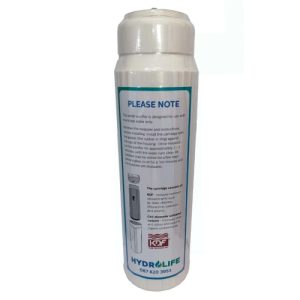
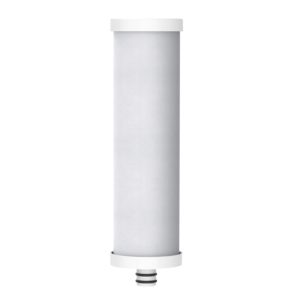
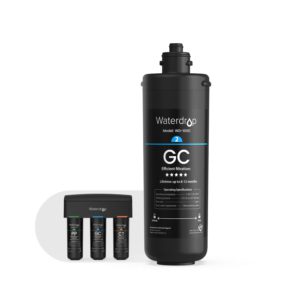
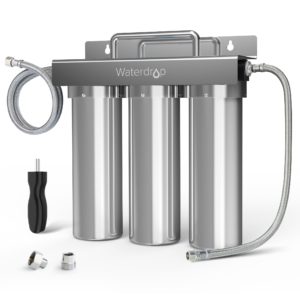
Some coolers and connected systems include filtration. A filter’s job depends on its type and the water entering the appliance. It may reduce sediment, chlorine, odours or other substances, but it is not a substitute for cleaning the cooler or maintaining the bottle and dispensing areas.
Filter cartridges have a finite capacity. If they are not replaced on time, flow may reduce and filtration performance may no longer meet the intended specification. Our service guidance gives six to twelve months as a general filter-replacement range depending on local water quality and usage, although the specific cartridge and equipment instructions should take priority.
Keep a record of the installation or replacement date, cartridge type and next service due date. In a busy office, assign responsibility to a facilities manager or include the task in the supplier’s service agreement.
Descaling hot-water systems
Hot-water dispensers and boilers are particularly exposed to scale-forming minerals because heating encourages deposits to form on internal components. Signs that a boiler may need attention include slower heating, reduced hot-water flow, unusual noise, visible flakes or a change in temperature.
Do not dismantle a boiler or pour an unapproved descaling chemical into it. Incorrect products, concentrations or contact times can damage components and leave residues. Follow the manufacturer’s instructions or arrange professional servicing.
We include descaling water boilers in its cooler service offering, explaining that the process removes mineral build-up and supports efficient operation. Regular descaling can be a practical way to protect the equipment, particularly where water is harder or the hot-water function is used heavily.
Check the ventilation and surroundings
Cooling systems need suitable airflow. Dust and lint can collect around the rear grille or ventilation area, making it harder for the unit to release heat. At least monthly, inspect the rear of the cooler and clean the grille with a brush or vacuum if the manufacturer permits it. Do not bend fins, remove covers or interfere with the compressor.
Keep the cooler away from heat sources and allow the clearance specified in the manual. Do not store boxes, cleaning equipment or paper against the vents. Ensure the floor is level and dry, and check that the drip tray and drain arrangements are working correctly.
Leak detection and common warning signs
A small leak should not be ignored. Check the bottle, cap, connection, tubing, drip tray and floor around the machine. If water is pooling, switch off the unit if safe to do so, isolate the water supply where applicable and contact the supplier or service team.
Other warning signs include an unusual smell or taste, cloudy water, inconsistent temperature, a noisy compressor, slow flow, repeated spills, a hot-water safety issue or a machine that stops cooling. Staff should not remove electrical panels or attempt improvised repairs. We provide leak detection and repairs for its own products and other water coolers and boilers.
Rental agreements: who is responsible?
A rental agreement may include delivery, equipment rental, bottle collection, routine servicing, repairs or some combination of these. Responsibilities differ between suppliers and models, so the agreement should be read carefully.
The customer is commonly expected to keep the surrounding area clean, handle bottles responsibly, report faults promptly and avoid damage caused by misuse. The supplier may be responsible for scheduled servicing, filter changes, internal sanitisation, repairs or replacement equipment. Confirm whether consumables, call-outs, damage and emergency visits are included or charged separately.
We offer bottle-type water coolers using standard 18.9-litre bottles, as well as direct-connection options, and promotes a reuse, refill and return approach. Before signing, ask how often the machine will be serviced, who changes filters, how bottle deliveries are scheduled and who to contact if a cooler develops a leak or stops cooling.
Create a workplace maintenance routine
The most reliable programme assigns clear ownership. A facilities or office manager can maintain a simple log showing the cooler location, model, bottle changes, cleaning dates, filter replacements, service visits and reported faults. Cleaning supplies should be available, but chemical products must be labelled, stored safely and kept separate from drinking water.
Place a short notice near the cooler asking users not to touch the nozzle, leave cups on the drip tray or use the machine if it appears damaged. Include the service contact details so that staff report problems instead of trying to fix them.
For businesses with several coolers, centralise the service schedule. We can help coordinate equipment, water supply and maintenance so that hydration remains a managed workplace service rather than an ad hoc office task.
Keep your cooler clean, safe and reliable
Good water cooler maintenance protects the people using the appliance and the business paying for it. Regular surface cleaning, careful bottle changes and clear fault reporting are essential. Filter replacement, internal sanitisation, boiler descaling and leak detection should follow the equipment instructions and be handled professionally where appropriate.
At Hydrolife, we provide water coolers, water delivery, filtration and service support, giving your business practical assistance throughout the life of your equipment. Contact us to arrange a maintenance visit, discuss a rental agreement or create a water-cooler programme that helps keep your office clean, hygienic and operating efficiently.