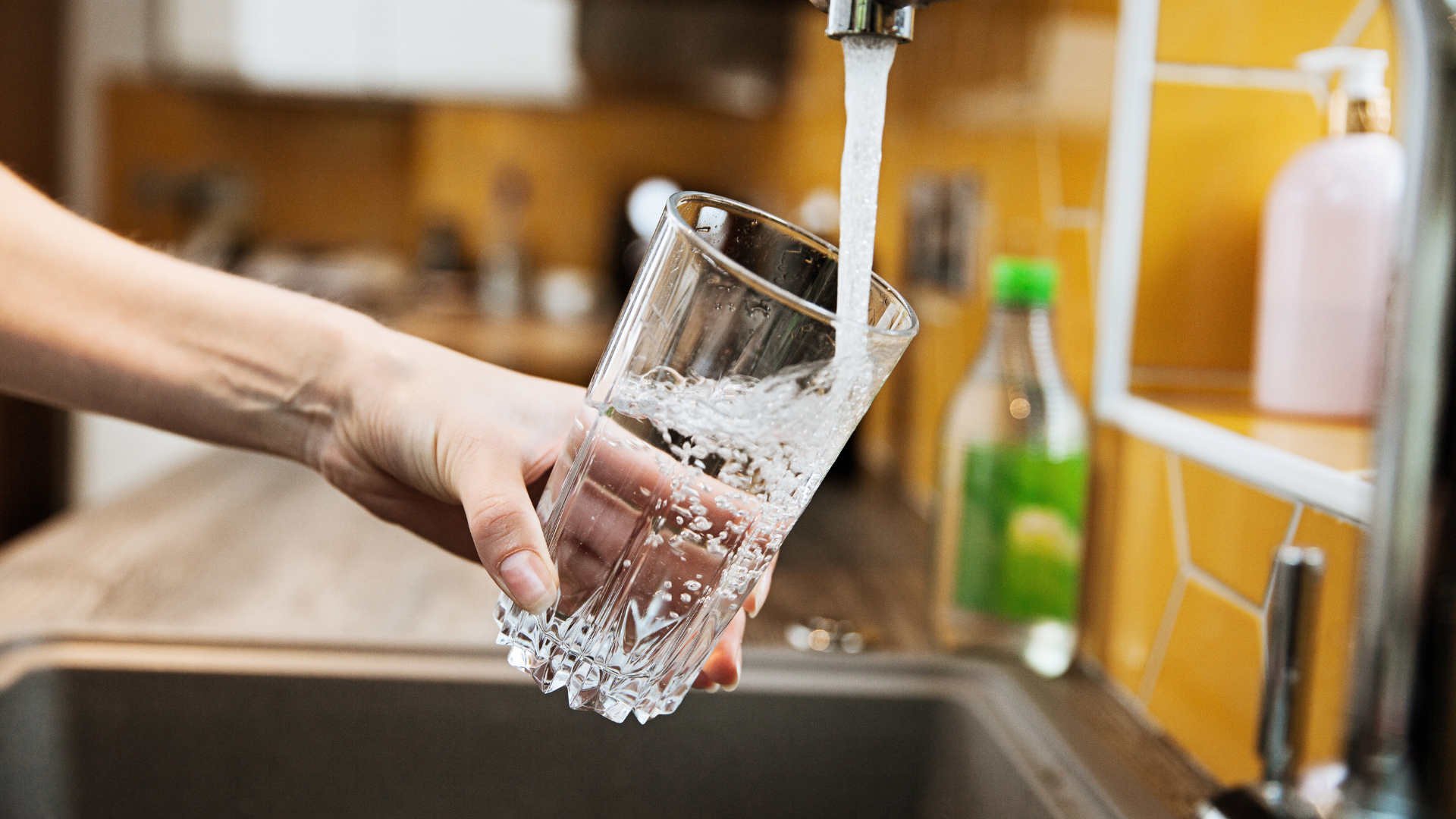
Water Filter for Tap: Quick and Easy Filtration Solutions
A water filter for tap use can make a meaningful difference to the water you drink, cook with and use to rinse fresh food. The quickest route is not choosing the first compact unit you see. It is choosing a point-of-use system that suits your kitchen tap, your water objective and the amount of filtered water your household actually uses.
We help homes and businesses select practical filtration that fits daily routines. Our range includes countertop, under-sink, inline and fridge-filter options, so we can start with the drinking-water point you want to improve rather than trying to force one format into every kitchen.
This guide explains the practical checks that keep a tap-connected solution simple: decide what you want it to do, confirm the connection, plan for ordinary use and make cartridge care part of the decision from the beginning.
Start with the water you want to use
A tap-connected system is a point-of-use solution. It treats water at the place where you intend to use it, usually the kitchen. This is often a sensible approach when the main goal is improved water for drinking, cooking and food preparation, rather than treatment at every outlet in the property.
Begin with a plain description of what you want to change. You may want water that tastes better at the kitchen sink, a practical route to filtered drinking water without filling a jug, or a system that is easier to maintain than a solution serving the whole property. These are useful starting points, but they are not all the same filtration objective.
A water filter for tap use should be selected for the concern you have, not simply for the convenience of its location. The CDC notes that filters serve different functions: some mainly improve taste and smell, while others are intended to reduce certain germs or chemicals. It also advises that taste, appearance and odour do not reliably show whether water is safe.
If you are concerned about a particular substance, an unfamiliar source or a change in water quality, the right next step may be a water test or professional advice before choosing filtration. This is especially relevant for private wells, rainwater collection, stored water or any supply where the condition is uncertain. A filter should match a defined need; it should not be treated as a universal answer.
Choosing a water filter for tap use begins with the connection
The tap and the plumbing beneath it are as important as the filter itself. A direct connection may be a neat option, but it still needs the right layout and fittings. Before you order, look at the kitchen tap, the space below the sink, the cold-water feed and the room available for a filter housing, tubing and future cartridge changes.
Some compact systems connect to a tap through a diverter. Others sit beneath the sink and connect to the cold-water supply or existing kitchen tap. The connection method is determined by the selected unit, not by the broad label “tap filter”. Pull-out spray taps, unusual spouts, crowded cupboards and inaccessible shut-off valves may mean that a different arrangement is more practical.
This is where a short conversation before buying can save time. Take photographs of the sink, tap and cupboard space, and note any existing water-treatment equipment. We can help you consider whether the intended location makes sense and whether professional installation is the better route for your circumstances.
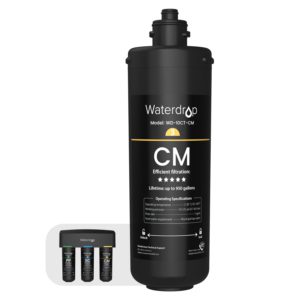
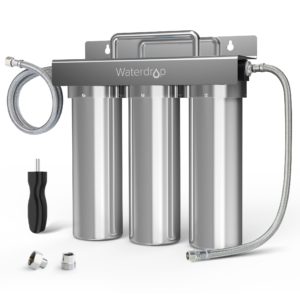
Our 3-stage under-sink ultrafiltration system is one example of direct-connection filtration. It is designed to connect to an existing kitchen tap, and we offer installation of a new filter in Cape Town. That does not mean every property needs this particular system. It shows why the tap, plumbing and service access should be discussed before a product is selected.
Match filtration to the problem, not a promise
Filter media and membranes determine what a system is designed to address. Ask what it is designed to reduce under its stated conditions, rather than relying on a broad label.
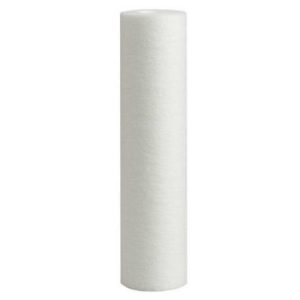
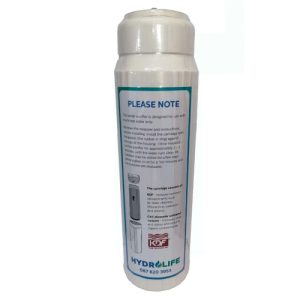
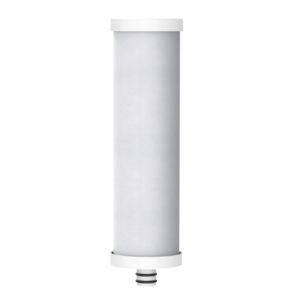
Activated carbon is commonly used where taste and odour improvement is the aim. Sediment treatment can be helpful where visible particles or rust are an issue. Ultrafiltration, reverse osmosis and other technologies have different capabilities and limits. Our water-filter range includes UF systems, GAC/KDF media and replacement cartridges, allowing us to discuss options around the situation rather than treating every tap concern as identical.
For example, the 3-stage UF system combines filtration stages with a 0.01 μm absolute ultrafiltration membrane. Its stated cartridge intervals differ by stage and can vary according to local water quality. The practical lesson is that a water filter for tap use is not just an appliance. It is a combination of connection, filtration stages and a realistic replacement plan.
Be careful with broad reduction claims. If your concern is lead or another specific contaminant, look for a claim that identifies that contaminant and the basis for the claim. EPA guidance advises consumers to consider drinking-water filters evaluated by an accredited third-party certification body for lead reduction, rather than assuming that every point-of-use device does the same job.
Make everyday use genuinely easy
The best system is one people will actually use. Think through a normal morning in the kitchen: filling a glass, topping up a bottle, making tea, washing produce and cooking. Consider how many people use that tap, whether filtered water is needed only occasionally or throughout the day, and whether the household has a habit of filling larger containers.
A direct connection can be convenient because it makes filtered water available at the kitchen point where it is most often used. With a maximum stated flow rate of 6 litres per minute, Hydrolife’s 3-stage under-sink UF system is designed for on-demand kitchen use. Actual performance still depends on the installation, incoming water and cartridge condition.
The aim is to place filtration where it offers the most value. If better water for drinking and cooking is enough, a kitchen point-of-use system may be more practical than treating every household task. If the concern affects all water use, the conversation needs to be broader.
The system should also fit the people who will look after it. A system hidden in an awkward cupboard may be tidy, but it is not convenient if no one can check it or change a cartridge. A visible countertop unit may be easy to reach, but it should not obstruct the sink or food-preparation space. Ease is the balance between access, space, flow and the routine you can realistically maintain.
Plan cartridge care before installation
Filtration works only while the system is correctly maintained. Do not wait for a dramatic change in taste or flow to think about replacement. The CDC advises following the manufacturer’s maintenance instructions, including changing filters regularly, because maintenance helps the system continue to work properly.
Ask which cartridges are included, how the replacement schedule is determined, who will carry out the change and whether the unit remains easy to access after installation. These questions are not an afterthought. They are part of selecting the right water filter.
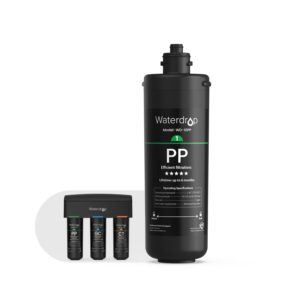
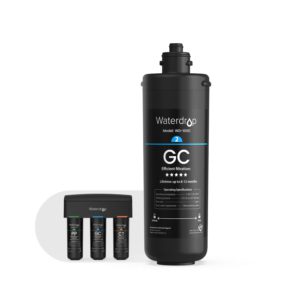
For Hydrolife’s 3-stage UF system, published guidance is PP filtration at approximately six to eight months, the UF stage at around 12 months and the carbon stage at around 12 to 24 months, with the important note that local water quality can affect those intervals. We stock replacement cartridges and can help you plan the appropriate service route for the system you select.
Keeping a simple reminder in your calendar is useful, particularly in a busy household or workplace. If flow slows, water changes unexpectedly or a cartridge reaches its scheduled change point, contact us rather than guessing which part needs attention.
When a quick solution needs a slower conversation
Quick and easy should not mean rushed. If water is discoloured, has changed suddenly, comes from a private source or raises a health concern, start by understanding the water rather than choosing a filter based on appearance alone. A system that improves taste may not address the concern you have, and a system intended for one source may not suit another.
This is also why we do not recommend treating cartridge life as a fixed promise. Incoming water, household use and the condition of local plumbing can all affect how a system performs. We help customers consider the water source, intended use, available space and servicing needs before recommending a practical option.
For broader kitchen-format comparisons, our guide to under-sink and countertop water filters is a useful next read. If you already have a system and need ongoing care, see our cartridge servicing guidance.
A water filter for tap use that fits your routine
A well-chosen water filter for tap use makes filtered water easier to reach without making your kitchen more complicated. Start with your actual use, check the connection and plumbing, match the filtration to a defined goal and plan cartridge care before the system is fitted.
We can help you choose from our water-filter range, discuss installation in Cape Town where applicable and make sure the practical details are considered before you commit. Contact us with photographs of your tap and under-sink space, a description of the water concern and the way you expect to use filtered water each day.