The Hidden Dangers of Unfiltered Office Water: A Health and Productivity Guide
Office water is easy to overlook because it is part of the everyday background of a workplace. Employees fill bottles between meetings, make coffee in the kitchen, take medication at their desks and rely on drinking water throughout hot South African workdays. Yet when water tastes stale, smells chlorinated, comes from an ageing dispenser or is served through neglected equipment, people notice quickly. They may drink less water, buy sugary alternatives, complain about the kitchen facilities or lose confidence in the office environment.
This is why office water quality should be treated as a business issue rather than a minor convenience. Good drinking water supports staff wellbeing, workplace hygiene, employee satisfaction and day-to-day productivity. Poor water quality does the opposite. It discourages hydration and can make a company appear careless about basic employee needs.
Hydrolife helps businesses solve this problem with practical water cooler, filtration, delivery and servicing options. Since 1999, the company has served Capetonians with solutions matched to each client’s space, staff count and usage pattern rather than a one-size-fits-all product.
Why office water quality matters
Water quality is not only about whether water is technically drinkable. In a workplace, it is also about whether employees trust it, enjoy drinking it and can access it conveniently. If staff dislike the taste or smell of the office water, they are less likely to drink regularly.
The NHS advises most people to aim for six to eight cups or glasses of fluid per day, with needs increasing in hot environments, during physical activity or when someone is unwell. In Cape Town offices, gyms, schools, workshops and warehouses, convenient chilled water is therefore part of keeping people comfortable, alert and hydrated.
Workplace welfare guidance from the UK Health and Safety Executive recognises access to drinking water as a basic workplace facility. South African employers should treat the same principle seriously. A workplace that provides clean, accessible and pleasant-tasting water sends a clear message: staff comfort and health are part of operational standards.
| Office water issue | How it affects the workplace | Practical Hydrolife response |
| Chlorine taste or odour | Staff avoid tap water and buy alternatives. | Filtered coolers and carbon-based filtration support better taste. |
| Inconvenient water access | Employees leave work areas frequently or drink less. | Freestanding, countertop and direct-connect coolers place water where it is needed. |
| Poor dispenser hygiene | Staff lose confidence in shared kitchen equipment. | Scheduled filter changes and nozzle cleaning support hygienic operation. |
| Inconsistent supply | Kitchens run out of drinking water during busy periods. | Hydrolife offers bottle delivery, rental options and direct-connect systems. |
The hidden dangers of unfiltered office water
The first danger is reduced hydration. When water has an unpleasant taste, employees may drink less, choose less healthy alternatives or avoid refilling bottles. Over time, this can contribute to fatigue, headaches and reduced concentration, especially during long meetings or warm weather.
The second danger is loss of trust. The CDC notes that taste, smell and appearance are not always reliable indicators of water safety: harmful germs and chemicals may not change water’s taste, while harmless substances can still make water taste or smell bad. Bad taste should therefore be investigated rather than ignored.
The third danger is neglected equipment. Hydrolife’s water cooler guidance notes that regular maintenance involves scheduled filter changes and periodic cleaning of dispensing nozzles to maintain hygiene and protect cooling or heating elements. Without this routine, even an attractive cooler can become a source of concern.
The fourth danger is unnecessary plastic waste. If staff do not trust the office water, they often buy single-use bottled water. Hydrolife’s reusable, refillable and returnable options include water coolers, boilers, 20 litre bottle delivery and direct-connect systems.
Common causes of poor office water quality
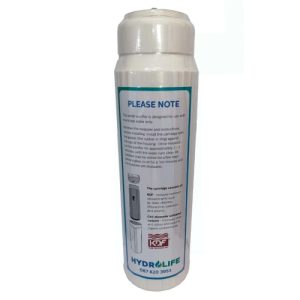
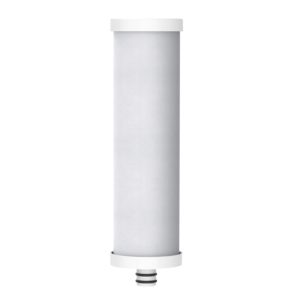
Poor office water quality often begins with taste and odour. Municipal water may carry a noticeable chlorine taste because chlorine is used as a disinfectant. In many cases, this is an aesthetic problem rather than an immediate health concern, but it still affects staff behaviour. Activated carbon filtration is widely used to improve taste and smell, and CDC guidance identifies activated carbon and NSF Standard 42 products as common options for taste and odour improvement.
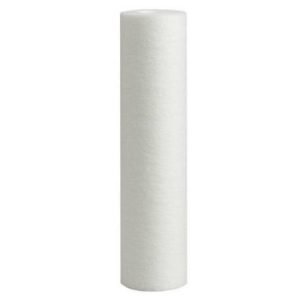
Sediment can also affect water quality. Older plumbing, building maintenance work or disruptions in supply can leave particles in the water. Even when the issue is temporary, staff may remember seeing discoloured water and lose confidence in the tap. A suitable filter arrangement can help manage aesthetic issues, but the system must be chosen for the specific problem.
Another common cause is mismatched equipment. Some offices use a small dispenser for a busy team, while others place the only cooler too far from work areas. Hydrolife’s range includes freestanding, countertop, bottle-based and direct-connect units, allowing an office to match the system to the workplace.
How poor water affects health, morale and productivity
A workplace runs on small habits. If employees can easily fill a glass of cold, pleasant-tasting water, they are more likely to drink throughout the day. If the cooler is empty or neglected, hydration becomes another obstacle.
From a health perspective, better water access supports regular hydration. The NHS notes that most people should drink enough fluid during the day so that urine is a clear pale yellow colour. In practical office terms, staff should not have to ration water, queue at a single dispenser or avoid the kitchen because the cooler is unreliable.
From a productivity perspective, convenient water reduces unnecessary interruptions. A well-placed cooler allows employees to refill quickly, make hot drinks efficiently and return to work. In high-volume environments, Hydrolife notes that certain high-performance fountains can provide up to 20 litres of cold water per hour.
From a morale perspective, quality water is a visible sign of care. Hydrolife’s homepage includes a business testimonial from Kauai Head Office stating that having clean, cool water available at all times in their offices adds huge value to staff. That captures the practical value of water done well: employees may not always mention it when it works, but they certainly notice when it does not.
Why a quality water cooler is a vital investment
A quality water cooler brings three advantages together: access, filtration and reliability. Access means water is available in the right place, whether that is a kitchen, reception area, boardroom, warehouse floor or staff canteen. Filtration means the water is treated to address relevant aesthetic concerns such as chlorine taste, odour or sediment. Reliability means the cooler is supported by scheduled servicing, filter replacement and responsive assistance when the business needs change.
Hydrolife is especially well suited to offices because it offers more than a single product. Businesses can choose between freestanding and countertop coolers, hot and cold options, cold and ambient options, direct-connect units and bottle-based systems. The company also offers water filters, services coolers and boilers, and supports brands it does not stock.
That flexibility matters. A growing office may begin with bottled water delivery and later move to a direct-connect cooler. A warehouse may require a robust cold-water fountain. A professional office may need hot and cold units that reduce kettle use and improve kitchen flow. Hydrolife can help match the correct technology to the need, reflecting the company’s stated view that no single filtration system is best in every situation.
What to consider when choosing an office water solution
The first consideration is usage. How many people use the office daily? Do visitors need access to water? Are there peak times, such as lunch breaks, training sessions or gym class changes? A system that works for ten employees may not be adequate for a warehouse, school or large office.
The second consideration is installation. If there is an available water supply, a direct-connect cooler may be efficient and convenient; however, office equipment that is installed and set up often becomes forgotten about when it comes to service and maintenance. The rental of a bottled cooler using standard 18.9 litre bottles ensures you have a regular supply of excellent quality water, along with regular cleaning and maintenance of your water cooler.
The third consideration is temperature. Some teams only need chilled water, while others benefit from hot and cold dispensing for tea, coffee and instant drinks. Hydrolife’s range includes hot and cold models, cold and ambient models, and direct-connect options.
The fourth consideration is maintenance. An office water system should include a clear plan for filter changes, cooler sanitation and nozzle cleaning. This protects taste, hygiene, performance and staff confidence.
| Decision point | Question to ask | Recommended direction |
| Staff count | How many people need water every day? | Choose capacity based on actual daily use, not only office size. |
| Location | Where will people naturally refill? | Place coolers near work areas, kitchens or shared spaces. |
| Supply type | Is plumbing available? | Consider direct-connect units where practical, or bottled supply where flexibility is needed. |
| Servicing | Who maintains the unit? | Use scheduled filter changes and sanitation to preserve performance. |
Why Hydrolife is the right partner for office water quality
Hydrolife combines experience, product choice and ongoing support. Since 1999, the business has served tens of thousands of Capetonians and built its offering around practical water needs rather than generic products. For companies, that means advice, installation options and servicing support from an experienced local team.
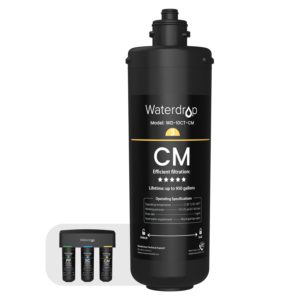
The strongest reason to choose Hydrolife is its complete approach. A business does not only need a cooler; it needs the right cooler, the right filtration, the right supply arrangement and the right maintenance routine. Hydrolife provides water coolers and boilers, stocks water filters, offers rentals, supports bottle delivery and services purifiers, coolers and boilers.
For office managers, facilities teams and business owners, this reduces hassle. Instead of asking employees to tolerate poor-tasting water or relying on ad hoc bottled water purchases, the business can put a professional system in place. Staff receive clean, cool and convenient water, and management gains a more reliable workplace facility.
Final thoughts
Poor office water quality is rarely a dramatic problem, but it is a persistent one. It affects how often employees drink water, how they feel about the workplace and how much confidence they have in shared facilities. In a competitive business environment, those details matter.
A quality Hydrolife water cooler is a practical investment in staff wellbeing, daily productivity and professional workplace standards. With filtered cooler options, hot and cold dispensing, direct-connect and bottled solutions, scheduled maintenance and experienced Cape Town support, Hydrolife gives businesses a clear way to improve office water quality without adding unnecessary complexity.
If your office water tastes unpleasant, your cooler is unreliable or staff are turning to bottled alternatives, it is time to review your water setup. Speak to Hydrolife about a solution that fits your team, your building and your daily water demand.
Frequently Asked Questions
How does unfiltered municipal water affect employee hydration levels?
Unfiltered tap water frequently contains residual chlorine disinfectants and metallic off-tastes that deter staff members from drinking adequate fluids throughout the workday. Health guidelines recommend consuming approximately 1.5 to 2 litres of fluids daily. When workplace water tastes unpleasant, employees drink significantly less water, leading to dehydration, sluggishness, and reduced daily concentration.
Why are taste and appearance unreliable indicators of drinking water safety?
According to health authorities, sensory attributes like taste, clarity, and smell cannot definitively confirm whether water is completely safe for consumption. Microscopic pathogens and harmful dissolved chemicals can remain present in water without altering its visual appearance or flavor profile. Conversely, harmless aesthetic issues like mild chlorine odor still cause staff hesitation and loss of trust.
What maintenance routines are required for office water dispensers?
Maintaining office water dispensers involves routine filter cartridge replacements and scheduled sanitization of internal components and dispensing nozzles. Cleaning dispensing taps prevents bacterial accumulation, while regular cartridge servicing protects heating and cooling mechanisms from scale buildup. Consistent maintenance ensures that water remains hygienically safe, visually clean, and free from unpleasant microbial off-tastes.
How does unfiltered water contribute to unnecessary office waste?
When staff members lack confidence in municipal tap water quality, they frequently rely on purchasing single-use bottled water. This practice generates substantial plastic waste, increases office operational expenses, and conflicts with corporate sustainability goals. Implementing clean, centralized filtration systems or refillable 20-litre bottled coolers provides a sustainable, eco-friendly hydration alternative for office environments.
What causes municipal tap water to exhibit a strong chlorine taste?
Municipal water providers add chlorine during treatment as a primary disinfectant to eliminate disease-causing biological pathogens throughout municipal pipe distribution networks. Although essential for public health, residual disinfectant remains in tap supplies, causing a distinct chemical smell and sharp swimming-pool flavor. Activated carbon filtration successfully removes this disinfectant residue at point-of-use locations.
How do pipe corrosion and sediment affect workplace water supplies?
Ageing building plumbing, municipal maintenance work, and sudden distribution line disruptions introduce physical sediment, rust particles, and discolored debris into workplace tap lines. Even temporary water discoloration ruins employee trust in tap water quality. Installing dedicated sediment filters captures particulate debris down to fine micron thresholds, ensuring clean water and preventing plumbing abrasion.
What commercial dispenser configurations best suit different office spaces?
Commercial hydration setups vary based on workplace layout and staff capacity. Compact countertop units suit small office breakrooms with limited surface space, whereas freestanding coolers accommodate higher traffic in central hallways. Direct-connect plumbed filtration provides continuous supply without bottle storage, while 20-litre bottle delivery systems offer flexible placement where plumbing connections are unavailable.